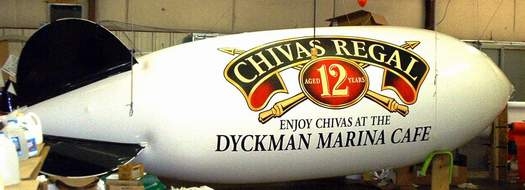
Imagine looking up at the sky and seeing a colorful giant floating above your head, so big it could carry people, cameras, or even scientific equipment high into the clouds. Whether it’s a hot air balloon drifting over a festival, a massive parade balloon shaped like your favorite cartoon, or a weather balloon exploring the edge of space, big ballons capture our imagination and bring a sense of wonder to people of all ages.

Introduction
Big ballons are more than just oversized party decorations—they are a blend of art, science, history, and adventure. In this article, we will explore the fascinating world of big ballons: their history, how they work, the different types, their uses in science and celebration, and the magic they bring to our lives. Whether you dream of soaring in a hot air balloon or just love watching giant balloons at parades, you’ll discover why big ballons are so special.
The Amazing History of Big Ballons
From Ancient Bladders to Sky Giants
The story of big ballons starts long ago. People in ancient times filled animal bladders with air for games and fun. In China, long before airplanes, inventors created flying lanterns called Kongming lanterns, which floated in the sky for festivals and even military signals.
The first real “big ballons” that could lift people came in the 18th century. The Montgolfier brothers from France built huge balloons made of cloth, filled them with hot air, and sent animals—and then humans—into the sky for the first time. Soon after, inventors made balloons filled with lighter-than-air gases like hydrogen and helium, which could float even higher and farther.
Balloons in Science and War
Big ballons quickly became tools for discovery. Scientists used them to study weather and the upper atmosphere, sending instruments high above the Earth. During wars, armies used giant observation balloons to spy on enemies or defend cities from attacks by hanging massive balloons in the air to block airplanes.
Balloons for Fun and Celebration
By the 20th century, big ballons became a favorite at parties and celebrations. The first rubber balloons were invented in the 1820s, but it wasn’t until the 1930s that balloons really took off as party decorations. Today, giant parade balloons—like the famous ones in the Macy’s Thanksgiving Day Parade—are a highlight of celebrations around the world.

How Do Big Ballons Work?
The Science of Floating
Big ballons float because they are filled with something lighter than the air around us. There are two main ways this happens:
Hot Air Balloons:
When air is heated, it becomes lighter and rises. A big balloon filled with hot air will lift off the ground, carrying a basket and sometimes people with it.
Gas Balloons:
Some balloons are filled with gases like helium or hydrogen, which are much lighter than air. This makes the balloon float up, sometimes to amazing heights.
The Parts of a Big Balloon
Every big balloon has a few important parts:
Envelope:
The large, colorful part that holds the hot air or gas.
Basket or Gondola:
Where people or equipment ride.
Burner (for hot air balloons):
Heats the air inside the envelope.
Tethers or Ropes:
Used to tie the balloon down or control its movement.
Big Ballons in Science and Exploration
Weather Balloons
Weather balloons are a type of big ballon that help scientists study the atmosphere. They carry instruments that measure temperature, wind, and humidity. Some weather balloons can rise over 30 kilometers (about 19 miles) high, almost to the edge of space.
High-Altitude Research
In the 20th century, scientists like Victor Hess and Auguste Piccard used big ballons to make important discoveries. Hess proved the existence of cosmic rays by flying in a balloon over 5,000 meters high. Piccard set altitude records and designed balloons with pressurized cabins so people could survive at high altitudes.

Balloons in Space Exploration
Before rockets, big ballons were the only way to reach the upper atmosphere. Even today, some experiments use giant balloons to carry telescopes or cameras above most of the Earth’s air, where they can take clearer pictures of space.
Big Ballons in War and Defense
During World War I and II, big ballons played important roles:
Observation Balloons:
Tethered to the ground, these balloons let soldiers watch enemy movements from high above.
Barrage Balloons:
Huge balloons floated over cities like London to block enemy planes and protect against bombs.
Even though airplanes and satellites are used today, big ballons were once a key part of military strategy.
The Joy of Big Ballons at Festivals and Parades
Hot Air Balloon Festivals
All around the world, people gather to watch hundreds of big, colorful hot air balloons rise into the sky. Festivals like the Albuquerque International Balloon Fiesta in the USA are famous for their beautiful displays and fun rides.
Parade Balloons
Giant parade balloons are a highlight of celebrations, especially in the United States. The Macy’s Thanksgiving Day Parade features enormous balloons shaped like cartoon characters, superheroes, and animals. These balloons are so big that teams of people are needed just to hold them down and guide them through city streets.
Big Ballons for Advertising
Businesses sometimes use big ballons shaped like their products or logos to attract attention at events. These advertising balloons can be seen from far away and make a big impression.
The Art and Engineering of Big Ballons
Designing a Giant Balloon
Creating a big ballon is a mix of art and engineering. Designers must:
-Choose strong, lightweight materials.
-Plan the shape so it will float and look great.
-Make sure the balloon is safe and can be controlled.
For parade balloons, artists create detailed drawings, then builders sew together huge pieces of fabric. Engineers test the balloons to make sure they won’t pop or fly away.
Safety First
Big ballons can be dangerous if not handled properly. Hot air balloons need skilled pilots, and parade balloons need teams of handlers. Weather and wind are always important to watch.
Real-World Examples and Amazing Feats
Record-Setting Balloon Flights
First Human Flight:
The Montgolfier brothers’ hot air balloon carried people for the first time in 1783.
First Atlantic Crossing:
In 1978, the Double Eagle II became the first balloon to cross the Atlantic Ocean.
Around the World:
The Breitling Orbiter 3 was the first balloon to fly nonstop around the world in 1999.
Balloons in Space Science
NASA and other space agencies use big ballons to carry telescopes and experiments high above the Earth. These balloons can stay in the air for days or even weeks, collecting valuable data.
Tips for Enjoying Big Ballons
Go to a Balloon Festival:
Look for hot air balloon festivals near you. They’re fun for the whole family.
Take a Balloon Ride:
Many places offer hot air balloon rides. Always go with a trained pilot.
Watch a Parade:
If you can’t see a parade in person, watch one on TV or online to see the amazing big ballons.
Learn About Balloon Science:
Explore how weather balloons work and why balloons float. You can even do simple experiments at home.
Fun Facts About Big Ballons
-The largest hot air balloons can carry more than 20 people at once!
-Some parade balloons are as tall as a five-story building.
-Weather balloons can expand to the size of a small house as they rise higher and the air gets thinner.
-The first rubber balloons were made by scientist Michael Faraday in 1824.
Frequently Asked Questions
Q: What makes a balloon “big”?
A: Any balloon much larger than a regular party balloon can be called a big ballon, but some are truly gigantic—taller than houses or even buildings!
Q: Are big ballons safe?
A: When handled by trained professionals and used in good weather, big ballons are very safe. Always follow safety rules and never try to fly a big balloon on your own.
Q: How high can big ballons go?
A: Some weather balloons can reach over 30 kilometers (19 miles) high, almost to the edge of space.
The Future of Big Ballons
Big ballons continue to inspire new ideas and adventures. Scientists are designing balloons to explore other planets, while artists and engineers create even more amazing shapes for festivals and parades. As technology improves, who knows what the next generation of big ballons will look like?
Conclusion
Big ballons are more than just floating decorations—they are a symbol of human curiosity, creativity, and joy. From ancient flying lanterns to modern scientific research, from thrilling rides to giant parade characters, big ballons connect us to the sky and to each other.
So next time you see a big ballon, whether it’s drifting over a festival or floating high above the clouds, remember the magic and history behind it. Share your favorite balloon memories in the comments, or tell us what kind of big ballon you’d love to see in the sky!
Leave a Reply