
Imagine looking up at a sports game or festival and seeing a giant blimp floating above, proudly displaying a brand’s message. It’s impossible to ignore! That’s the magic of blimp advertising—it’s big, bold, and memorable. But what does it really cost to get your brand soaring above the crowd? Let’s explore the real numbers, what affects the blimp cost for advertising, and why so many companies are willing to invest in this sky-high strategy.
What Is Blimp Advertising?
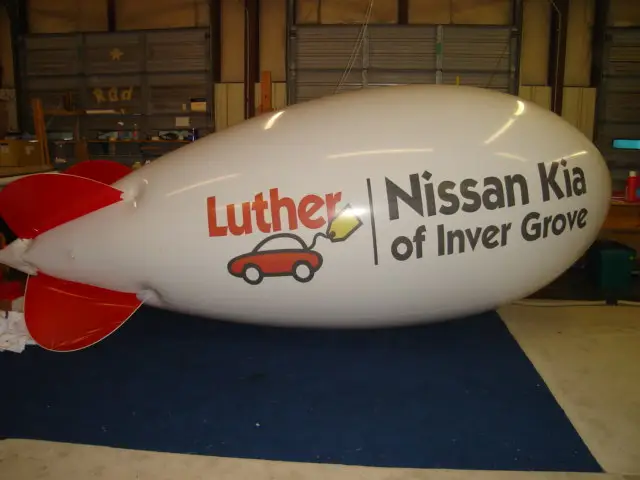
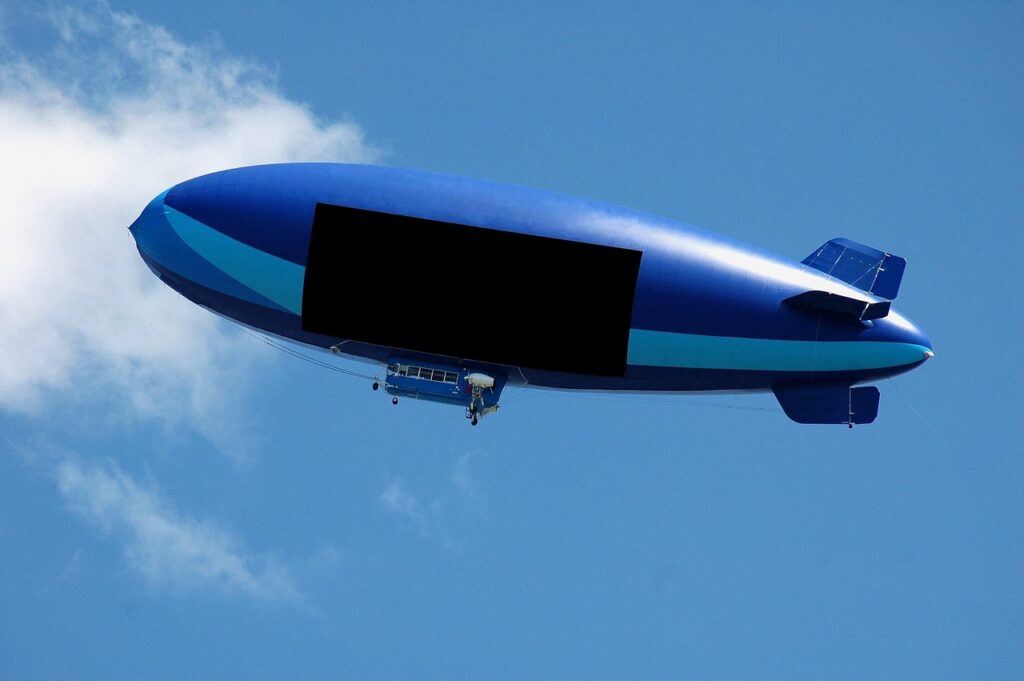
A blimp is a large, lighter-than-air aircraft that floats using helium. Advertisers use blimps as flying billboards, displaying banners or digital screens that can be seen from miles away. Blimps are used at big events, over cities, or even for special promotions. Their size and visibility make them a powerful tool for grabbing attention and building brand awareness.
Blimp Cost for Advertising: The Real Numbers
How Much Does It Cost to Advertise on a Blimp?
Blimp advertising is not cheap, but it can deliver millions of impressions. Here’s what you need to know:
CPM (Cost per Thousand Impressions):
On average, the blimp cost for advertising ranges from $7 to $18 per thousand impressions, depending on how many events the blimp attends and how much media coverage it generates.
Monthly Impressions:
A full-size blimp can deliver between 25 and 40 million impressions per month.
Typical Campaign Costs:
While exact prices vary, a single blimp campaign can run from tens of thousands to several hundred thousand dollars, especially for high-profile events or long-term campaigns.
What Factors Affect Blimp Cost for Advertising?
Several factors can make blimp advertising more or less expensive:
Media Channel Selection:
Blimps are a premium advertising channel, often costing more than digital or print ads but offering unmatched visibility.
Event Location & Timing:
Flying over major events (like the Super Bowl or a city festival) increases both impressions and costs.
Ad Placement & Size:
Bigger blimps and larger banners cost more, but they’re also easier to see.
Campaign Duration:
Longer campaigns cost more but deliver more impressions.
Seasonal Trends:
Advertising during peak seasons or major events can raise prices due to higher demand.
Call us at 1-800-791-1445 or email us at Sales@TexasBlimps.com
Crew & Logistics:
Costs include a trained crew, helium, equipment, insurance, and sometimes special permits.
Weather Risks:
Bad weather can ground a blimp, so insurance and backup plans add to the total cost.
Creative Complexity:
Custom designs, lighting, or digital displays may increase the price.

What’s Included in a Blimp Advertising Package?
A typical blimp advertising package might include:
-Blimp rental and operation
-Crew (2–3 people)
-Helium and equipment
-Insurance (often up to £5 million in public liability)
-Artwork production (removable banners or digital screens)
-Permits and authorizations
-Flight time (often 8+ hours per day, weather permitting)
-Optional extras: live broadcasting, aerial filming, or night lighting
Real-World Example: Blimp Advertising Success
Whitman’s Chocolates in Australia
Objective:
Make Whitman’s Chocolates a household name in Australia, where Cadbury was the market leader.
Execution:
80% of the marketing budget went to a blimp campaign, flying over major events and providing aerial coverage for TV.
Results:
In three years, Whitman’s became the market leader, with sales exceeding expectations by 240% and a $25 million turnover.
This case shows how a big investment in blimp advertising can deliver huge results, especially when combined with other marketing efforts.
Tips for Getting the Most Value from Blimp Advertising
Plan Around Big Events:
Fly your blimp over major sports games, festivals, or city gatherings to maximize impressions.
Combine with Other Media:
Use blimp advertising alongside social media or TV to reinforce your message.
Choose the Right Location:
Target areas where your audience gathers—stadiums, beaches, city centers.
Customize Your Message:
Make your banner bold, clear, and easy to read from a distance.
Factor in Weather:
Have backup plans in case of bad weather, especially for outdoor events.
Track Results:
Use social media hashtags, website landing pages, or QR codes to measure engagement.
Who Should Consider Blimp Advertising?
Blimp advertising is best for:
-Big brands launching new products
-Companies sponsoring major events
-Businesses wanting to make a splash in a crowded market
-Those with a large marketing budget seeking high-impact, memorable campaigns
It’s less suitable for small businesses with limited budgets or those needing highly targeted, local advertising.
Common Questions About Blimp Cost for Advertising
Q: Is blimp advertising cost-effective?
A: For brands seeking mass awareness and a unique presence, blimp advertising can deliver a strong return on investment, especially at large events.
Q: How long does a typical campaign last?
A: Campaigns can last a single day or several months, depending on goals and budget.
Q: What about safety and insurance?
A: Most providers include high-value public liability insurance and follow strict safety protocols.
Q: Can blimps be used indoors?
A: Yes! Smaller, remote-controlled blimps are great for stadiums and exhibition halls, especially when outdoor weather is a concern.
The Future of Blimp Advertising
As digital ads become more crowded, brands are looking for ways to stand out. Blimps offer a unique, high-impact solution that’s hard to ignore. With new technology like LED screens and drone blimps, the possibilities for creative sky-high advertising are only growing.
Conclusion: Is Blimp Advertising Worth the Cost?
Blimp advertising is a premium, attention-grabbing marketing tool that can deliver millions of impressions and make your brand unforgettable. While the blimp cost for advertising is higher than many other media, the impact is unmatched—especially for big events or major product launches.
If you have the budget and want to make a sky-high statement, blimp advertising could be your brand’s ticket to the top. Ready to take your message to new heights? Leave a comment below, share your thoughts, or contact us to learn more about how blimp advertising can work for you!
Leave a Reply