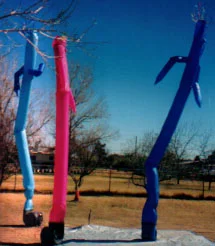
Imagine walking into a room and seeing a balloon spinning, bouncing, and floating in the air as if it’s alive, dancing to an invisible tune. Kids’ eyes widen, adults smile, and everyone’s curiosity is piqued. That’s the magic of the dancing balloon—a simple, delightful spectacle that combines science, creativity, and play.
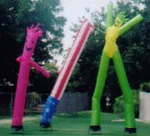
But what exactly is a dancing balloon? How does it work? And why do people of all ages find it so fascinating? In this article, we’ll dive deep into the world of dancing balloons, exploring the science behind them, fun ways to create your own, and the joy they bring to classrooms, parties, and homes everywhere.
What Is a Dancing Balloon?
A dancing balloon is a regular balloon that appears to move, spin, and float in the air, usually powered by a steady stream of air from a fan. Instead of just floating or falling, the balloon seems to “dance”—twirling, bobbing, and sometimes even bumping into other balloons in a playful, unpredictable way.
This mesmerizing effect is created by placing a balloon over a fan or in a stream of moving air. The air lifts the balloon and keeps it suspended, while tiny changes in the airflow make the balloon move in surprising ways. It’s a simple setup, but the result is pure magic!
The Science Behind the Dancing Balloon
How Does It Work?
The secret behind a dancing balloon is the movement of air. When you place a balloon above a fan, the fan pushes air upward. This moving air creates a “vortex”—a spinning column of air that can hold the balloon up and make it move around.
Here’s what happens step by step:
-The fan blows air upward, creating a stream of fast-moving air.
-The balloon, being lightweight, is lifted by this stream.
-As the balloon floats, small changes in the air’s direction make it spin, wobble, and bounce.
-If you add more balloons, they interact, bumping into each other like dancers at a party!
Why Does the Balloon Stay Up?
This is all thanks to a scientific principle called Bernoulli’s Principle. When air moves quickly, it creates lower pressure. The fast-moving air from the fan creates a low-pressure area under the balloon, while the air above the balloon is at higher pressure. This difference in pressure keeps the balloon floating and moving in the air.
Experimenting with Dancing Balloons
You can try different things to see how they affect the way the balloon dances:
-Use different sizes of balloons—big, small, or medium.
-Change the speed of the fan.
-Try using more than one fan, pointing them at the same spot.
-Add more balloons and watch them “dance” together.
How to Make Your Own Dancing Balloon
Making a dancing balloon at home is easy and fun! Here’s a step-by-step guide you can follow.
Materials Needed:
-1 or more balloons
-A fan (box fan or small desk fan works best)
-Poster board or cardboard (optional, to help guide the air)
-Tape (optional)
Instructions:
Set Up the Fan:
Place your fan on the floor or a table. Make sure it’s stable and safe.
Prepare the Balloons:
Blow up your balloons. Don’t make them too big—they should be light enough to float in the air.
Guide the Air (Optional):
You can use poster board or cardboard to create a “tube” around the fan. This helps direct the airflow straight up, making it easier for the balloon to dance.
Let the Dancing Begin:
Turn on the fan and gently place the balloon above the stream of air. Watch as it starts to float and move!
Experiment:
Try adding more balloons, changing the fan speed, or adjusting the poster board to see how the dancing changes.
Safety Tip:
Always use the fan with adult supervision, especially for younger children.
Dancing Balloons in the Classroom
Teachers love using the dancing balloon as a science experiment. It’s a fantastic way to teach kids about air, motion, and physics in a fun, hands-on way.

Learning Opportunities:
Air and Motion:
Students see how air can move objects and create lift.
Experimentation:
Kids can change variables (balloon size, fan speed) and observe the results.
Teamwork:
Working in groups, students can predict, test, and discuss what they observe.
Real-World Example:
In one classroom, students used different types of fans and balloons to see which combinations made the best dancing balloons. They recorded their observations and even made charts showing how high each balloon floated. The activity sparked excitement and lots of great questions about science!
The Dancing Balloon at Parties and Events
Dancing balloons aren’t just for learning—they’re also a hit at birthday parties, fairs, and family gatherings. Here’s why they’re so popular:
Entertainment:
Kids and adults love to watch the balloons move and try to guess where they’ll go next.
Interactive Fun:
Guests can take turns adding balloons, changing the setup, or even decorating the balloons with faces or designs.
Photo Opportunities:
The swirling, floating balloons make for great pictures and videos.
Case Study:
At a summer carnival, organizers set up a “dancing balloon booth.” Kids lined up to try their luck at keeping balloons floating in the air. Some even tried to balance two or three balloons at once! The booth was a favorite, drawing crowds and lots of laughter.
Creative Twists: Dancing Balloon Variations
The basic dancing balloon is just the beginning. Here are some creative ways to take your dancing balloon to the next level:
Balloon Animals:
Draw faces or add paper ears and tails to make your balloons look like animals. Watch as your “balloon pets” dance around.
Glow Balloons:
Put a small glow stick inside the balloon before inflating it. Turn off the lights and watch your glowing dancing balloon swirl in the dark!
Obstacle Course:
Set up hoops or tunnels for the balloon to float through. Can you guide your balloon through the course using only the fan?
Multiple Fans:
Use two or three fans pointed at the same spot to create a super-strong vortex. How many balloons can you keep dancing at once?
The History of Balloons and Dancing Balloon Fun
Balloons have a fascinating history. The first rubber balloons were made by scientist Michael Faraday in 1824 for experiments with gases. Over time, balloons became popular for parties, science experiments, and even art.
The idea of making balloons “dance” in the air is a more recent twist, inspired by artists and inventors who love to play with air and motion. Today, the dancing balloon is a favorite STEAM (Science, Technology, Engineering, Art, and Math) activity for kids and adults alike.
The Dancing Balloon and the Art of Movement
Did you know that in ballet, there’s a term called ballon (from the French word for “balloon”)? In dance, ballon means the ability to appear light and airy, as if floating or flying through the air. Just like a dancer leaps and seems to hover, the dancing balloon floats and spins, creating the illusion of weightlessness.
This connection between dance and the dancing balloon shows how art and science often come together in surprising ways!
Tips for the Best Dancing Balloon Experience
Choose the Right Balloon:
Lighter, smaller balloons work best. If the balloon is too heavy, it won’t float as easily.
Fan Power:
A strong, steady fan works best. If the fan is too weak, the balloon won’t lift. If it’s too strong, the balloon might fly away!
Experiment:
Try different setups—change the angle of the fan, use different shapes of balloons, or add decorations.
Have Fun:
The best part of the dancing balloon is the fun and laughter it brings. Try it with friends or family and see who can keep their balloon dancing the longest!
Frequently Asked Questions About Dancing Balloons
Q: Can I use helium balloons for this activity?
A: Helium balloons float on their own, so they won’t work the same way. For dancing balloons, use regular air-filled balloons.
Q: What if my balloon keeps popping?
A: Make sure not to overinflate the balloon. Also, check that the fan and any poster board edges are smooth and not sharp.
Q: Can I use more than one fan?
A: Yes! Using more fans can create bigger or more powerful air currents, making the dancing even more exciting.
Dancing Balloon: More Than Just a Toy
The dancing balloon is more than just a fun activity. It’s a way to:
-Learn about science in a hands-on way
-Spark creativity and imagination
-Bring people together for laughter and fun
Whether you’re a teacher, a parent, or just someone who loves to play, the dancing balloon offers endless possibilities for learning and joy.
Conclusion: Let the Dancing Balloon Inspire You!
From classrooms to carnivals, the dancing balloon brings smiles, wonder, and excitement wherever it goes. It’s a simple idea with big possibilities—combining science, art, and play in a way that everyone can enjoy.
So why not try making your own dancing balloon today? Gather your materials, set up your fan, and watch as your balloon comes to life, swirling and spinning in a magical dance. Share your creations, challenge your friends, and let your imagination soar—just like a dancing balloon!
Leave a Reply