Have you ever looked up and seen a giant shape floating silently across the sky? Maybe it looked like a huge teardrop, a funny cartoon character, or even a giant flying sausage! Chances are, you were looking at one of the many kinds of amazing commercial balloons! These aren’t just your average party balloons; they’re much bigger and have super important jobs. In this article, we’re going on an adventure to explore the fascinating world of commercial balloons. We’ll find out what they are, the different types that exist, how they float so high, and all the cool things they’re used for – from advertising big events to helping scientists study the weather way up high! Get ready to lift off into the amazing science and uses of these giant floaters!
Call us at 1-800-791-1445 or email us at Sales@TexasBlimps.com
What Exactly Are Commercial Balloons?
Okay, so we know commercial balloons are big and float, but what makes them different from the balloons you get at a birthday party? Well, think about a party balloon. It’s usually small, made of rubber or shiny foil, and you might blow it up with your own breath or a small helium tank. They’re fun for decorations or maybe a game, right? Commercial balloons are like the superheroes of the balloon world! They are much, much larger – sometimes as big as a house or even bigger! They are built from super strong, special materials, not just thin rubber. And instead of just being for fun, commercial balloons have important jobs to do. The word “commercial” often means something related to business or work, and that’s a big clue. These balloons are used for business purposes, like advertising, or for serious tasks like science experiments or even taking people on amazing rides high above the ground. So, while a party balloon might float for a day or two, commercial balloons are designed to fly higher, last longer, and carry heavy things, like equipment or even people!
Different Kinds of Commercial Balloons: More Than Just Hot Air!
Just like there are many types of cars or airplanes, there are different kinds of commercial balloons, each designed for a special purpose. One famous type is the hot air balloon. You’ve probably seen pictures of these colorful giants! They work because hot air is lighter than cool air. A big burner shoots flames up into the balloon (called the envelope), heating the air inside. This hot air makes the balloon rise. People can ride in a basket underneath, enjoying amazing views. These are often used for tourist rides and festivals.
Then there are gas balloons. Instead of hot air, these commercial balloons are filled with a gas that’s naturally lighter than air, like helium or sometimes hydrogen (though helium is much safer because it doesn’t catch fire). Think of the blimps you might see floating over a sports game – those are a type of gas balloon called an airship! They often have engines and propellers to steer them. Other gas balloons don’t have engines and just float where the wind takes them. Scientists use special high-altitude gas balloons, often called weather balloons, to carry instruments way up high, even to the edge of space! These balloons gather important information about the weather and the atmosphere. There are also advertising balloons, which can be hot air or gas-filled. Companies use these giant floating billboards, sometimes shaped like their products, to grab everyone’s attention. So, you see, commercial balloons come in various shapes and sizes, using either hot air or light gases to take to the skies for work and fun!
How Do These Giants Float? The Science of Lift!
How does something so huge, like a commercial balloon, manage to float up into the air and stay there? It seems like magic, but it’s actually cool science! It all comes down to something called buoyancy. Have you ever noticed how a beach ball pops right back up to the surface when you try to push it under the water in a pool? That upward push is buoyancy! Air works in a similar way, even though we can’t see it. Air has weight, and things float in air if they are lighter than the air they push out of the way (this is called displacing air).
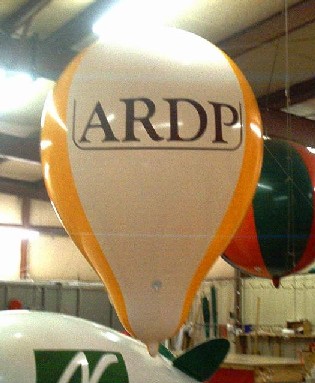
Hot air balloons use this idea perfectly. Remember how we said hot air is lighter than cool air? When the burner heats the air inside the huge envelope of the commercial balloon, that air expands and becomes much less dense (lighter) than the cooler air outside the balloon. Because the air inside is so much lighter than the same amount of air outside, the outside air pushes the balloon upwards – just like the water pushes the beach ball up! The pilot can control how high the balloon goes by using the burner more or less.
Gas balloons, like blimps or weather balloons, use a different trick, but the idea is the same. They are filled with a special gas, usually helium, that is naturally much, much lighter than the air around us, even without being heated. Helium is so light that it wants to rise up through the heavier air, pulling the commercial balloon along with it. It’s like letting go of a helium party balloon – whoosh, up it goes! So, whether it’s using heated air or a super-light gas, commercial balloons cleverly use the science of buoyancy to lift off the ground and float among the clouds.
Look Up! Commercial Balloons as Flying Billboards
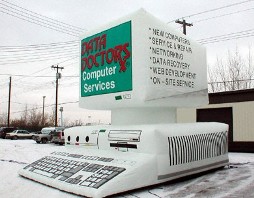
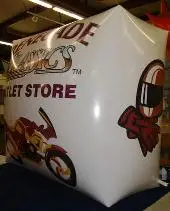
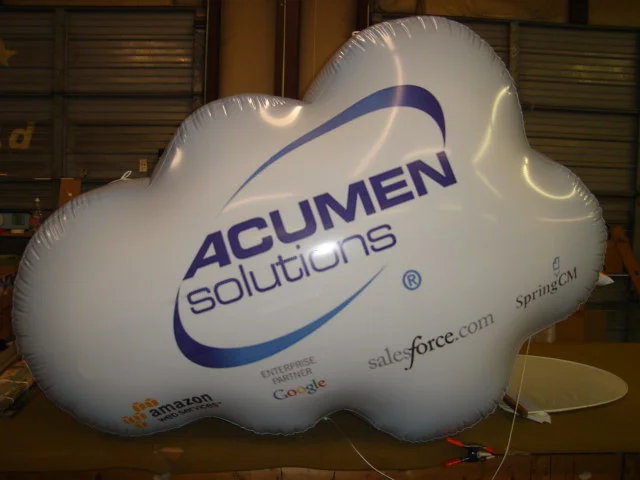
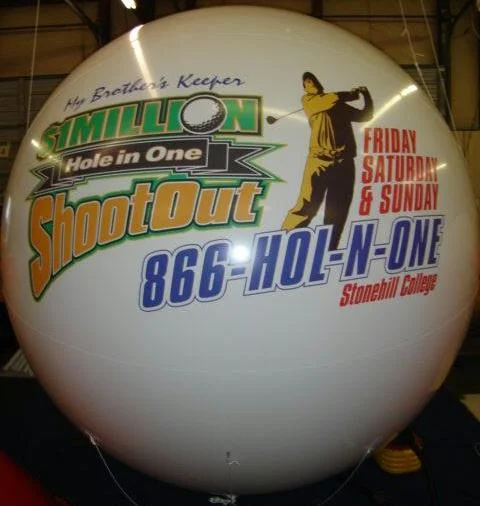
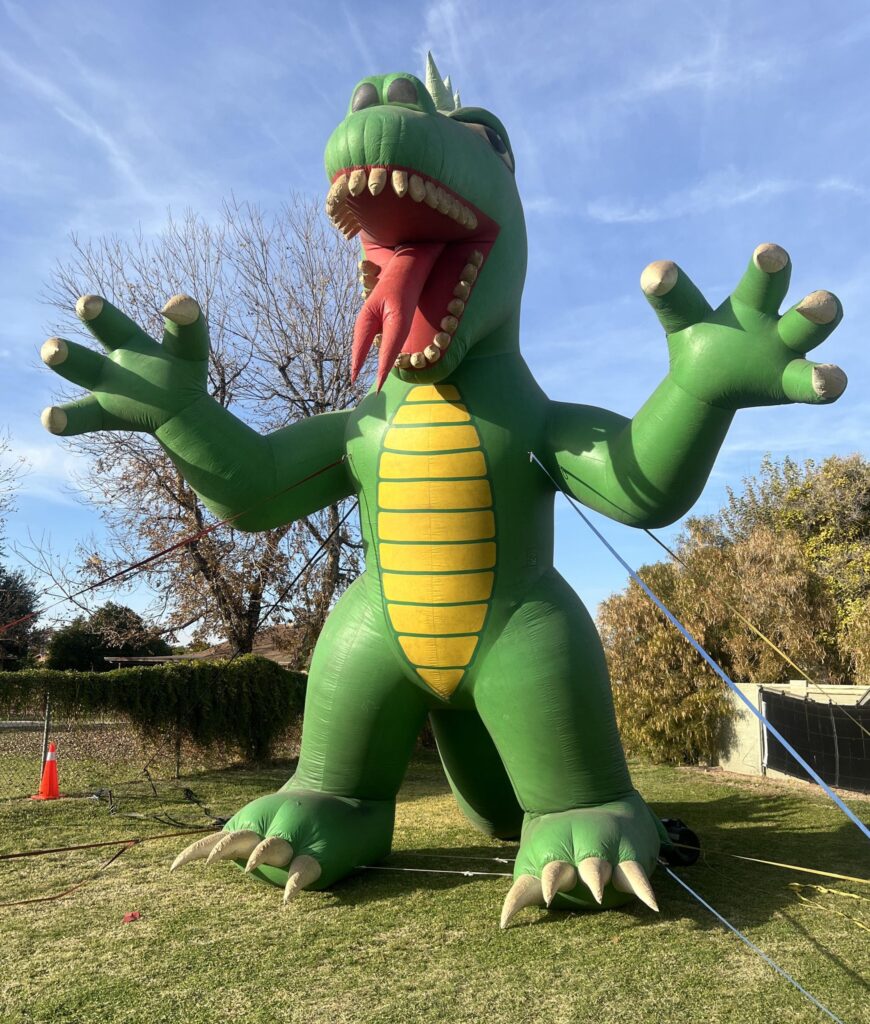
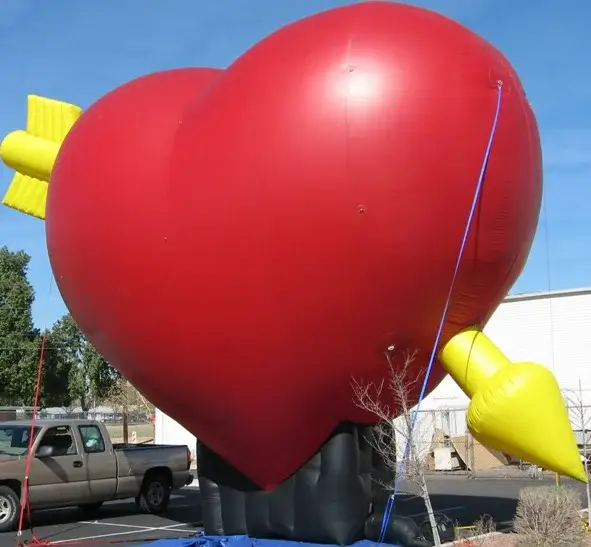
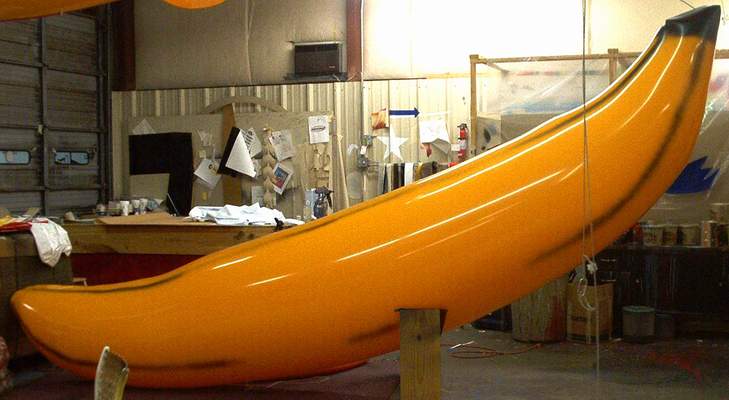
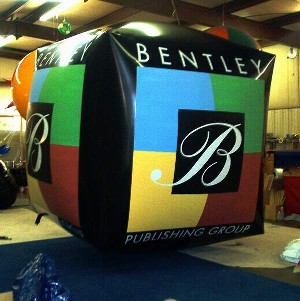
Have you ever been to a big outdoor event, like a fair or a concert, and seen a huge balloon floating overhead with a company’s name on it? That’s one of the most common uses for commercial balloons: advertising! Companies know that these giant floaters are impossible to miss, so they use them as flying billboards to get everyone’s attention. These advertising balloons can be simple, round shapes, or they can be incredibly creative. Sometimes they are shaped exactly like the product the company sells – imagine seeing a giant floating sneaker or a massive soda bottle drifting by! That really makes you look, doesn’t it?
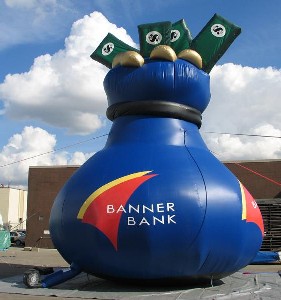
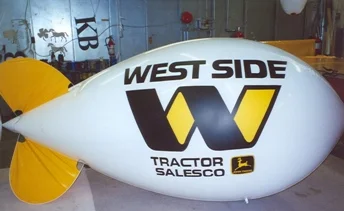
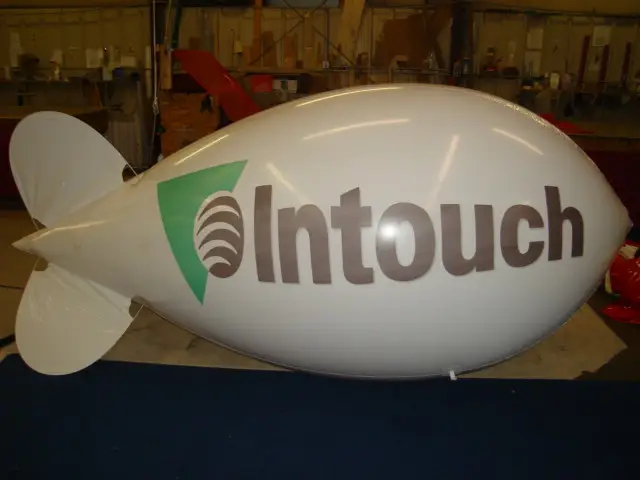
Blimps, those commercial balloons that look like giant sausages and often have brand names printed on their sides, are experts at this. They can float slowly over cities or sports stadiums, making sure lots of people see the advertisement. Because they move slowly and quietly, they capture attention without being annoying. Using commercial balloons for advertising is a fun and eye-catching way for businesses to tell people about their products or events. It’s like putting a giant, friendly sign way up in the sky for everyone to see! These helium balloon advertising techniques are very effective because they are so unusual and memorable compared to regular signs on the ground.
Science in the Sky: Commercial Balloons Helping Us Learn
Beyond advertising and fun rides, commercial balloons play a super important role in science and helping us understand our planet! Remember those weather balloons we mentioned? Scientists and weather forecasters use these special commercial balloons every single day, all around the world. They attach instruments called radiosondes to these balloons. As the balloon rises high into the atmosphere, sometimes reaching heights over 20 miles (that’s way higher than airplanes fly!), the instruments measure things like temperature, air pressure, humidity (how much water vapor is in the air), and wind speed and direction. This information is sent back to computers on the ground.
Why is this important? This data helps weather forecasters understand what’s happening way up high, which is crucial for predicting the weather down here where we live. Without weather balloons, our weather forecasts wouldn’t be nearly as accurate! Other scientists also use large commercial balloons for research. They might carry telescopes high above the clouds to get a clearer view of stars and galaxies, or they might collect air samples from different altitudes to study pollution or the ozone layer. These high-altitude commercial balloons are like floating laboratories, allowing scientists to explore parts of our atmosphere that are hard to reach otherwise. They are a quiet, efficient, and relatively inexpensive way to conduct important scientific investigations far above the Earth.
Fun Facts and the Future of Commercial Balloons!
Did you know that the first successful human flight wasn’t in an airplane, but in a hot air balloon? Way back in 1783 in France, two brave brothers named Montgolfier built a balloon made of paper and cloth, lit a fire underneath, and watched it float up! Soon after, people started taking rides. That’s over 240 years ago! Another fun fact: some commercial balloons, especially those used for science, can stay afloat for days or even weeks!
What about the future? Commercial balloons are still super useful. Scientists are thinking of new ways to use them, like creating networks of high-altitude balloons to provide internet access to remote areas where it’s hard to get online. Imagine giant balloons acting like floating cell towers! Others are exploring using commercial balloons for tourism near space, giving people a chance to see the curve of the Earth without needing a rocket. Blimps, or advertising blimps as they are sometimes called, are also becoming more eco-friendly, using less fuel or even solar power. The world of commercial balloons is always evolving, finding new and exciting ways to help us advertise, explore, learn, and maybe even connect to the internet from the sky!
Soaring Summary: The Big Deal About Commercial Balloons!
Wow, we’ve floated through a lot of cool information about commercial balloons! We learned that they are way bigger and stronger than party balloons and have important jobs. We discovered different types, like colorful hot air balloons for rides (you can learn more about how hot air balloons work here… arizonaballoon.com) and super-high weather balloons for science. We uncovered the science secret of buoyancy – how heating air or using light gases like helium makes these giants lift off the ground. We also saw how commercial balloons are used in clever ways, from eye-catching helium balloon advertising and advertising blimps floating over cities to helping scientists gather vital weather data high in the sky. These amazing flying machines have a long history and an exciting future, continuing to help us explore, learn, and even connect.
What did you find most interesting about commercial balloons? Have you ever seen one up close? Visit our website TexasBlimps.com or Call us at 1-800-791-1445 or you can also email us on Sales@TexasBlimps.com for more details.