Tag: blimp cost for advertising

  • The Ultimate Guide to Really Know About The Blimp Prices

    The Ultimate Guide to Really Know About The Blimp Prices

    Imagine looking up at the sky and seeing a giant blimp floating by, displaying a colorful advertisement or filming a sports event. Have you ever wondered how much it costs to own, rent, or advertise on one of these incredible airships? Whether you’re a curious student, a business owner, or just fascinated by flying machines, understanding blimp prices is more interesting—and more surprising—than you might think.

    In this article, we’ll explore everything you need to know about blimp prices. You’ll learn about the different types of blimps, what affects their cost, real-world examples, and tips for getting the best value. By the end, you’ll be a blimp price expert, ready to impress your friends with your knowledge!

    A blimp is a type of airship that stays afloat because it’s filled with a lighter-than-air gas, usually helium. Unlike airplanes, blimps don’t have wings or a solid frame inside. They’re often used for advertising, surveillance, aerial photography, and even as flying billboards at big events.

    If you search for “blimp prices,” you’ll see numbers that range from less than $100 to millions of dollars. Why is there such a big difference? The answer is simple: not all blimps are the same!

    Some blimps are small and made for fun or advertising at local events. Others are giant, high-tech machines used for filming or carrying passengers. The size, materials, purpose, and technology all play a huge role in how much a blimp costs.

    Let’s break down the main types of blimps and how much they usually cost.

    Small Inflatable Blimps (For Parties and Promotions)

    Description:
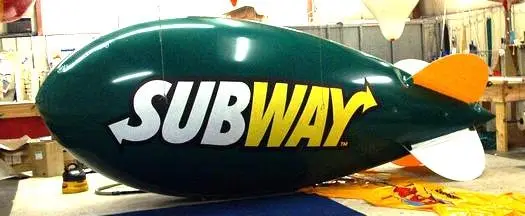
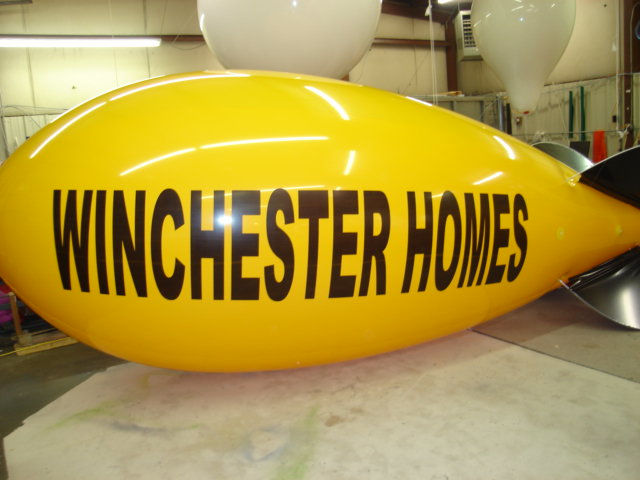
    These are the blimps you might see at a birthday party, sports event, or local store opening. They’re usually made of PVC or nylon and filled with helium.

    Typical Price:
    $50 to $230 each.

    Features:
    Lightweight, easy to set up, and can be printed with custom logos or messages. They don’t fly by themselves but float when filled with helium.

    RC (Remote-Controlled) Blimps

    Description:
    These are larger than party blimps and can be flown indoors or outdoors using a remote control. They’re popular for hobbyists, schools, and small businesses.

    Typical Price:
    $900 to $2,000 for indoor models (1.5m to 4.5m long).

    Outdoor RC Blimps:
    $5,500 to $20,000 for larger, outdoor-ready versions (5m to 10m long).

    Features:
    Can be equipped with cameras, lights, or advertising banners. Some are “ready to fly,” while others are sold as kits you build yourself.

    Commercial Advertising Blimps

    Description:
    These are the big blimps you see at major sports games or flying over cities. They’re designed for eye-catching advertising and can be seen by thousands of people.

    Typical Price:
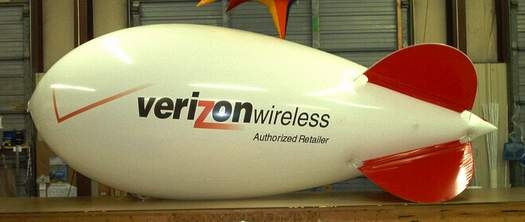
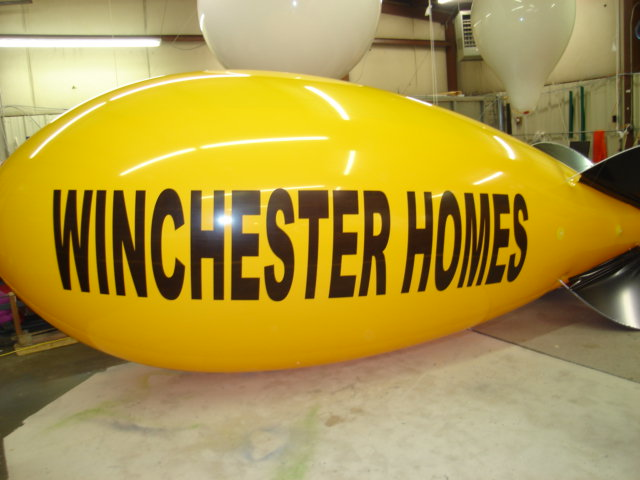
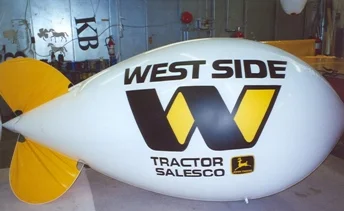
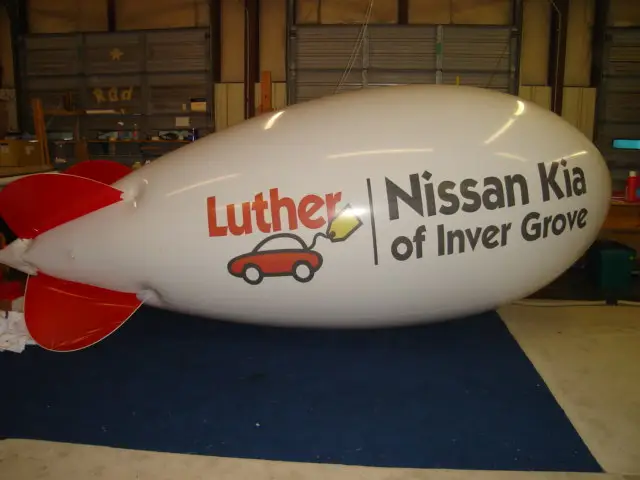
    $7,850 to $35,900 for smaller commercial models (15ft to 12m long).

    Features:
    Durable materials, large advertising surfaces, and sometimes even internal lighting for night displays.

    Full-Size Passenger and Surveillance Blimps

    Description:
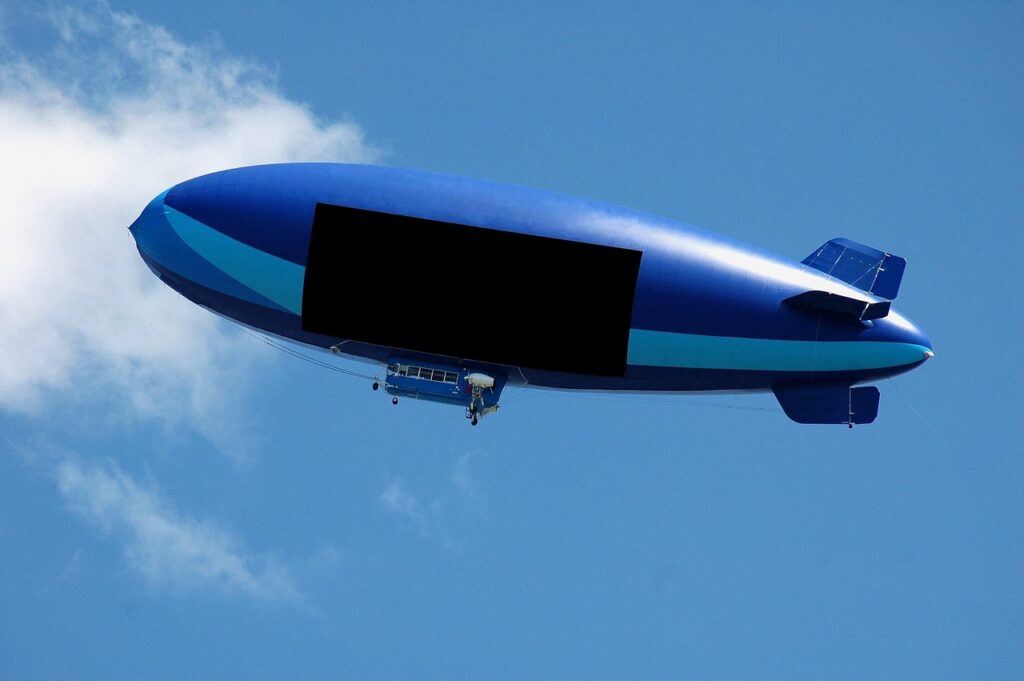
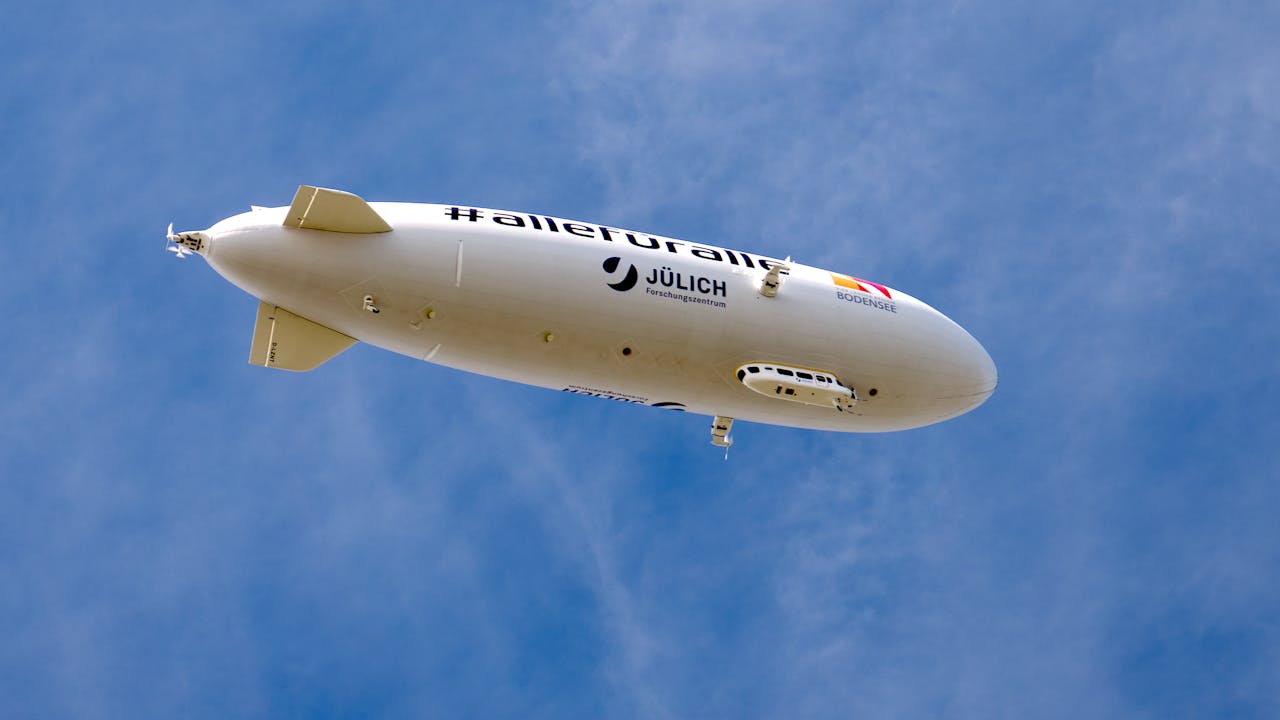
    These are the largest and most advanced blimps, used for carrying people, filming, or surveillance. They’re like flying buses!

    Typical Price:
    $397,000 to over $5 million for long-term advertising or special missions.

    Features:
    Can carry passengers, have long flight times, and require a crew to operate.

    Several factors can change the price of a blimp. Here’s what you need to know:

    Size
    -Bigger blimps need more helium and stronger materials, which makes them more expensive.

    Materials
    -High-quality nylon or polyurethane is more durable and costs more than basic PVC.

    -Special coatings or transparent envelopes can add to the price.

    Technology and Features
    -Remote controls, cameras, lighting, and advanced flight systems all increase the cost.

    -Custom designs or logos also add to the price.

    Purpose
    -Blimps for fun or small promotions are much cheaper than those for commercial advertising or surveillance.

    -Full-size blimps for carrying passengers or filming are the most expensive.

    Rental vs. Purchase
    -Renting a blimp for a short time is usually cheaper up front, but buying is better for long-term use.
    Let’s look at some real prices from companies that sell or rent blimps:

    Party/Promo Inflatable Blimp, 4m (13ft) – $90 – $230

    RC Indoor Blimp, 1.5m – 4.5m – $900 – $2,000

    RC Outdoor Blimp, 5m – 10m – $5,500 – $20,000

    Commercial Advertising Blimp 15ft – 12m $7,850 – $35,900

    Full-Size Passenger Blimp, 43m (143ft) – $397,000 – $5,800,000 (rental)

    Example:
    -A 10-meter (about 33 feet) outdoor RC blimp, ready to fly, can cost around $20,588.
    -A simple 20-foot helium advertising blimp for a local event might only cost $120.

    Case Study:
    A major company wants to advertise during a big sports event. Renting a full-size blimp with a billboard for one week can cost nearly $400,000. For a year-long campaign, the price can be over $2.5 million. That’s a lot of money, but the advertising reach is huge!

    Renting a Blimp:

    -Great for short-term events or advertising campaigns.

    -No need to worry about storage, maintenance, or hiring a crew.

    -Costs can range from a few thousand dollars for small blimps to hundreds of thousands for full-size airships.

    Buying a Blimp:

    -Best for companies or individuals who need a blimp regularly.

    -More expensive up front, but cheaper in the long run if used often.

    -You’ll need to handle storage, maintenance, and operation costs.

    Know Your Purpose:
    Decide if you need a blimp for fun, advertising, or something else. This will help you pick the right size and features.

    Compare Materials:
    Stronger, more durable materials last longer but cost more.

    Check for Extras:
    Remote controls, cameras, and custom logos can add to the price.

    Ask About Kits:
    Some companies sell kits that you build yourself, which can save money.

    Shop Around:
    Prices vary between suppliers. Always get several quotes before buying or renting.

    Consider Used Blimps:
    Sometimes you can find used blimps for sale at a lower price.
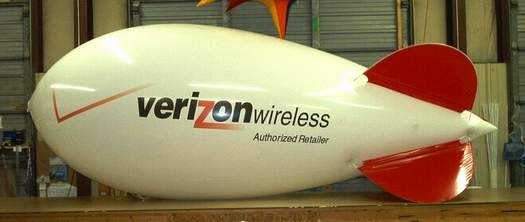
    -The Goodyear Blimp is one of the most famous advertising blimps in the world.

    -Blimps can stay in the air for up to 20 hours at a time.

    -Some blimps are used for filming movies or providing live aerial TV coverage at big events.

    -Helium is used in blimps because it is lighter than air and non-flammable, making it safe for flying.

    Q: Why are some blimps so expensive?
    A: Large blimps need more helium, stronger materials, and advanced technology. They also require a crew to operate, which adds to the cost.

    Q: Can I buy a blimp for personal use?
    A: Yes! Small inflatable or RC blimps are perfect for personal use and can cost less than $1,000.

    Q: How much does it cost to advertise on a blimp?
    A: Renting a full-size advertising blimp can cost from $400,000 for a week to over $2.5 million for a year, depending on the size and campaign length.

    Q: What is the cheapest blimp I can buy?
    A: Simple inflatable blimps for parties or small promotions can cost as little as $50.

    Blimps are unique, eye-catching, and can be surprisingly affordable—if you know what you’re looking for. Whether you want a small party blimp for under $100 or a giant advertising airship for millions, there’s a blimp for every need and budget. By understanding what affects blimp prices and comparing your options, you can find the perfect blimp for your next big idea.

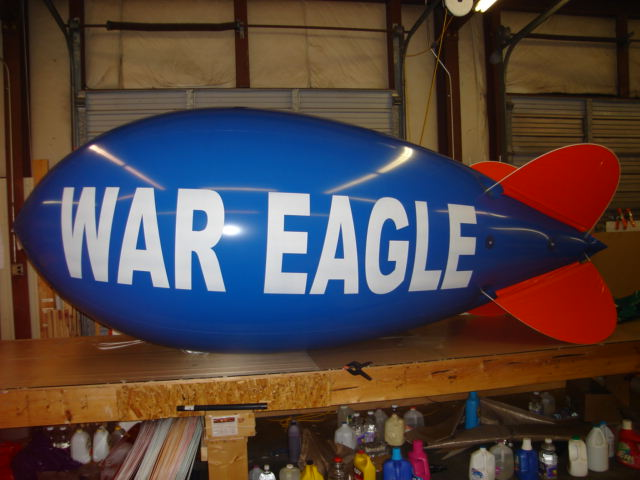
  • Blimp Advertising: Soaring Above the Competition in Brand Visibility

    Blimp Advertising: Soaring Above the Competition in Brand Visibility

    Imagine you’re at a big football game, and suddenly, everyone’s eyes drift skyward. Floating above the stadium is a giant, colorful blimp with a bold message: “Try the New ChocoBlast!” Instantly, thousands of people are talking, snapping photos, and sharing what they see. That’s the magic of blimp advertising—an unforgettable, sky-high spectacle that makes brands impossible to ignore.

    In this article, we’ll explore the world of blimp advertising: what it is, how it works, why it’s so effective, and real-world stories of brands that soared to new heights. Whether you’re curious about how blimps can boost your business or just want to know why these floating giants capture so much attention, you’re in the right place.

    Blimp advertising is a form of aerial marketing where businesses use large, helium-filled airships—called blimps—to display their brand, message, or product high above ground-level crowds. These floating billboards are hard to miss and can be seen from miles away, making them perfect for grabbing attention at big events, busy city centers, or even over highways.

    Blimps can be customized with bright colors, logos, and even digital screens or lights for nighttime visibility. They’re often used at sports games, concerts, festivals, and grand openings—anywhere large groups gather and look up.

    Instant Attention
    When a blimp floats overhead, people can’t help but look up. It’s not every day you see a giant balloon in the sky, so curiosity takes over. This “wow” factor makes blimp advertising one of the most eye-catching marketing tools available.

    Massive Reach
    Blimps are visible from great distances. At a crowded event or over a busy city, one blimp can deliver your message to thousands—or even millions—of people in a single flight.

    Memorable Impressions
    Unlike regular ads you might scroll past on your phone or ignore on TV, a blimp is hard to forget. The unusual sight sticks in people’s minds, making your brand more memorable.

    Versatile and Customizable
    Blimps come in different sizes and can be branded with any message, logo, or even LED lights for nighttime displays. Some even have digital screens for live streaming or changing messages during the flight.

    Media Exposure
    If your blimp is flying over a televised event, there’s a good chance it’ll be caught on camera, giving your brand even more exposure—often for free.

    Blimp advertising isn’t one-size-fits-all. Here are some popular options:

    Standard Blimps:
    Traditional helium blimps with banners on each side for your message or logo.

    Aerostats:
    Larger blimps that can carry cameras for live broadcasts, security, or filming, as well as advertising banners.

    Digital Blimps:
    Equipped with LED screens or lights for dynamic, changing messages, especially at night.

    Indoor Airships:
    Smaller, remote-controlled blimps used inside stadiums or exhibition halls.

    Step 1: Design and Branding
    The first step is designing your blimp. You choose the size, colors, and what message or logo you want displayed. Some companies offer removable banners, so you can change your message for different events.

    Step 2: Flight Planning
    Next, you decide where and when the blimp will fly. Popular choices include:

    -Over stadiums during sports games

    -Above concerts or festivals

    -Near busy highways or city centers

    -At grand openings or special events

    Flight plans must follow local regulations and get approval from aviation authorities to ensure safety.

    Step 3: Launch and Operation
    A trained crew inflates the blimp with helium and operates it from the ground. The blimp can fly for hours, circling the target area and making sure your message is seen by as many people as possible.

    Step 4: Audience Engagement
    As the blimp floats overhead, people look up, take photos, and talk about what they see. Some companies even use social media hashtags to encourage sharing, multiplying the impact of the campaign.

    Whitman’s Chocolates in Australia
    In the late 1990s, Whitman’s Chocolates wanted to break into the Australian market, where Cadbury was the leader. They spent 80% of their marketing budget on a blimp campaign, flying their branded airship over major events and cities. The result? Whitman’s sales soared by 240%, and they became a top chocolate brand in Australia within three years.

    Company XYZ’s NFL Game Launch
    A company launching a new product hired a blimp to fly over an NFL stadium, displaying a digital message about their product. The blimp’s presence generated buzz, with thousands of fans and TV viewers seeing the message, leading to a successful product launch.

    Local Businesses and Grand Openings
    Even small businesses can use blimps for special events like grand openings. A helium blimp floating above a new store acts as a giant signpost, guiding customers and drawing attention from far away.

    Choose the Right Event:
    Pick locations and events with large crowds for maximum exposure.

    Design Bold Graphics:
    Use bright colors and big, clear text so your message is easy to read from far away.

    Plan for Weather:
    Blimps can fly in most conditions, but strong winds or storms can affect flights. Always have a backup plan.

    Follow Regulations:
    Get the necessary permits and follow aviation rules to keep everyone safe.

    Engage on Social Media:
    Encourage people to share photos of your blimp using a hashtag for extra buzz.

    Blimp advertising isn’t just for big brands. Even small businesses can use it for special occasions, grand openings, or local events. The key is to match your campaign to your goals and budget.

    For Big Brands:
    Blimps make a statement at national events, sports games, and citywide promotions.

    For Local Businesses:
    A blimp can draw attention to your store, especially during sales or openings.

    For Special Events:
    Weddings, fairs, and festivals become even more memorable with a blimp overhead.

    Q: How much does blimp advertising cost?
    A: Prices vary based on size, flight duration, and location. Larger campaigns with digital displays or long-term flights will cost more.

    Q: How long can a blimp stay in the air?
    A: Most advertising blimps can fly for several hours at a time, depending on weather and fuel.

    Q: Is it safe?
    A: Yes, as long as all aviation rules are followed and experienced crews operate the blimp.

    Q: Can I change the message on my blimp?
    A: Many blimps use removable banners or digital screens, so you can update your message for different events.

    Q: What about night-time advertising?
    A: Blimps can be equipped with lights or LED screens to make your message visible even after dark.

    Blimp advertising is evolving with technology. Today’s blimps can feature live HD video streaming, interactive digital displays, and even drone support for extra coverage. As brands look for new ways to stand out, blimps offer a unique blend of tradition and innovation—turning heads and winning hearts wherever they fly.

    Blimp advertising is more than just a floating sign—it’s a powerful, memorable way to make your brand soar above the competition. Whether you’re launching a new product, hosting a grand opening, or just want to be the talk of the town, a blimp can deliver your message in a big, bold way.

    Have you ever seen a blimp ad that made you stop and stare? Share your story in the comments below! Want to learn more about creative advertising ideas? Check out our other articles on outdoor marketing and event promotions.

    Don’t let your brand get lost in the crowd—let it rise above with blimp advertising!

  • The Sky’s the Limit: Why Blimp Cost For Advertising Grabs Attention

    The Sky’s the Limit: Why Blimp Cost For Advertising Grabs Attention

    Imagine looking up at a sports game or festival and seeing a giant blimp floating above, proudly displaying a brand’s message. It’s impossible to ignore! That’s the magic of blimp advertising—it’s big, bold, and memorable. But what does it really cost to get your brand soaring above the crowd? Let’s explore the real numbers, what affects the blimp cost for advertising, and why so many companies are willing to invest in this sky-high strategy.

    A blimp is a large, lighter-than-air aircraft that floats using helium. Advertisers use blimps as flying billboards, displaying banners or digital screens that can be seen from miles away. Blimps are used at big events, over cities, or even for special promotions. Their size and visibility make them a powerful tool for grabbing attention and building brand awareness.

    How Much Does It Cost to Advertise on a Blimp?

    Blimp advertising is not cheap, but it can deliver millions of impressions. Here’s what you need to know:

    CPM (Cost per Thousand Impressions):
    On average, the blimp cost for advertising ranges from $7 to $18 per thousand impressions, depending on how many events the blimp attends and how much media coverage it generates.

    Monthly Impressions:
    A full-size blimp can deliver between 25 and 40 million impressions per month.

    Typical Campaign Costs:
    While exact prices vary, a single blimp campaign can run from tens of thousands to several hundred thousand dollars, especially for high-profile events or long-term campaigns.

    Several factors can make blimp advertising more or less expensive:

    Media Channel Selection:
    Blimps are a premium advertising channel, often costing more than digital or print ads but offering unmatched visibility.

    Event Location & Timing:
    Flying over major events (like the Super Bowl or a city festival) increases both impressions and costs.

    Ad Placement & Size:
    Bigger blimps and larger banners cost more, but they’re also easier to see.

    Campaign Duration:
    Longer campaigns cost more but deliver more impressions.

    Seasonal Trends:
    Advertising during peak seasons or major events can raise prices due to higher demand.

    Crew & Logistics:
    Costs include a trained crew, helium, equipment, insurance, and sometimes special permits.

    Weather Risks:
    Bad weather can ground a blimp, so insurance and backup plans add to the total cost.

    Creative Complexity:
    Custom designs, lighting, or digital displays may increase the price.

    A typical blimp advertising package might include:

    -Blimp rental and operation

    -Crew (2–3 people)

    -Helium and equipment

    -Insurance (often up to £5 million in public liability)

    -Artwork production (removable banners or digital screens)

    -Permits and authorizations

    -Flight time (often 8+ hours per day, weather permitting)

    -Optional extras: live broadcasting, aerial filming, or night lighting

    Whitman’s Chocolates in Australia

    Objective:
    Make Whitman’s Chocolates a household name in Australia, where Cadbury was the market leader.

    Execution:
    80% of the marketing budget went to a blimp campaign, flying over major events and providing aerial coverage for TV.

    Results:
    In three years, Whitman’s became the market leader, with sales exceeding expectations by 240% and a $25 million turnover.

    This case shows how a big investment in blimp advertising can deliver huge results, especially when combined with other marketing efforts.

    Plan Around Big Events:
    Fly your blimp over major sports games, festivals, or city gatherings to maximize impressions.

    Combine with Other Media:
    Use blimp advertising alongside social media or TV to reinforce your message.

    Choose the Right Location:
    Target areas where your audience gathers—stadiums, beaches, city centers.

    Customize Your Message:
    Make your banner bold, clear, and easy to read from a distance.

    Factor in Weather:
    Have backup plans in case of bad weather, especially for outdoor events.

    Track Results:
    Use social media hashtags, website landing pages, or QR codes to measure engagement.

    Blimp advertising is best for:

    -Big brands launching new products

    -Companies sponsoring major events

    -Businesses wanting to make a splash in a crowded market

    -Those with a large marketing budget seeking high-impact, memorable campaigns

    It’s less suitable for small businesses with limited budgets or those needing highly targeted, local advertising.

    Q: Is blimp advertising cost-effective?
    A: For brands seeking mass awareness and a unique presence, blimp advertising can deliver a strong return on investment, especially at large events.

    Q: How long does a typical campaign last?
    A: Campaigns can last a single day or several months, depending on goals and budget.

    Q: What about safety and insurance?
    A: Most providers include high-value public liability insurance and follow strict safety protocols.

    Q: Can blimps be used indoors?
    A: Yes! Smaller, remote-controlled blimps are great for stadiums and exhibition halls, especially when outdoor weather is a concern.

    As digital ads become more crowded, brands are looking for ways to stand out. Blimps offer a unique, high-impact solution that’s hard to ignore. With new technology like LED screens and drone blimps, the possibilities for creative sky-high advertising are only growing.

    Blimp advertising is a premium, attention-grabbing marketing tool that can deliver millions of impressions and make your brand unforgettable. While the blimp cost for advertising is higher than many other media, the impact is unmatched—especially for big events or major product launches.

    If you have the budget and want to make a sky-high statement, blimp advertising could be your brand’s ticket to the top. Ready to take your message to new heights? Leave a comment below, share your thoughts, or contact us to learn more about how blimp advertising can work for you!