
Imagine looking up and seeing a giant, colorful blimp floating across the sky, carrying not just advertisements but also dreams of adventure, sustainability, and even new ways to travel. Blimps aren’t just a thing of the past—they’re making a comeback, and “blimp sales” are soaring to new heights. But what’s behind this unexpected rise? Get ready to discover how blimps are changing the world, who’s buying them, and why you might see a lot more of these gentle giants in the sky soon.

Introduction
Blimps, also known as airships, have fascinated people for over a century. Once used mainly for advertising or special events, today’s blimps are finding new roles in tourism, eco-friendly transportation, and even disaster relief. This article explores the exciting world of blimp sales, revealing who’s buying them, what’s fueling their popularity, and how they’re shaping the future of flight. Whether you’re a curious student, a business owner, or just someone who loves cool facts, you’ll find plenty to enjoy as we float through the latest trends, real-world examples, and amazing possibilities of blimp sales.
What Are Blimps and Why Are They Special?
Blimps Defined
A blimp is a type of airship—a lighter-than-air aircraft that stays afloat because it’s filled with a gas like helium. Unlike airplanes, blimps don’t have wings or heavy engines. They glide slowly and gracefully, making them perfect for sightseeing, advertising, and carrying cargo to places where other vehicles can’t go.
Why Blimps Stand Out
Eco-Friendly:
Blimps use less fuel than planes, making them better for the environment.
Unique Views:
Their slow speed and high altitude offer amazing views for tourists.
Versatile Uses:
From carrying banners to delivering supplies, blimps do it all.
The Boom in Blimp Sales: By the Numbers
Market Growth
Blimp sales are taking off around the world. The global airship market was valued at about $656.85 million in 2024 and is expected to grow to $714.33 million in 2025. By 2033, experts predict it could reach nearly $1.4 billion, with a growth rate of almost 9% per year. This rapid growth is driven by new technology, a focus on green transportation, and creative uses for blimps in business and government.
Who’s Buying Blimps?
Advertising Companies:
Blimps are perfect for flying huge ads over big crowds.
Tourism Businesses:
Offering scenic flights and luxury air tours.
Governments:
Using blimps for surveillance, disaster relief, and even border patrol.
Cargo Companies:
Delivering goods to remote areas where trucks and planes can’t reach.
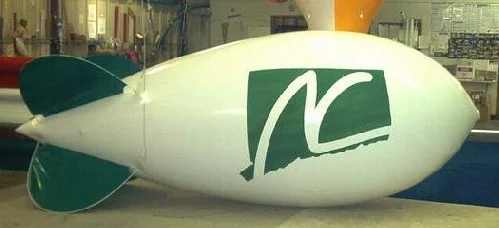
Why Are Blimp Sales Rising Now?
Eco-Friendly Transportation
With concerns about climate change growing, people are looking for greener ways to travel and transport goods. Blimps use much less fuel than airplanes and can even use hybrid engines to cut emissions by up to 90%. This makes them a top choice for companies and governments focused on sustainability.
New Technology
Modern blimps are safer and more efficient than ever. Advances in materials, engines, and navigation mean today’s airships can carry heavier loads, travel farther, and handle tough weather conditions.
Unique Experiences
Tourism companies are using blimps to offer once-in-a-lifetime experiences, like floating over famous landmarks or natural wonders. These tours are popular with people looking for something different from the usual airplane or helicopter ride.
Advertising Power
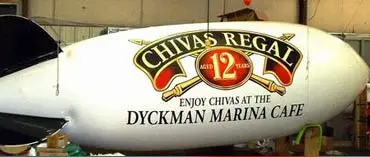
Nothing grabs attention like a giant blimp drifting overhead with a company’s logo. Brands love the visibility and excitement that blimps bring to big events, sports games, and city skylines.
How Blimp Sales Work: From Factory to Flight
Step 1: Designing the Blimp
Every blimp is custom-built for its purpose. Designers choose the size, shape, and features based on what the buyer needs—whether it’s a flashy ad blimp or a cargo carrier.
Step 2: Building and Testing
Blimps are made in special factories, often by teams of skilled engineers. Once built, each blimp goes through safety tests to make sure it’s ready for the sky.
Step 3: Training Pilots and Crew
Flying a blimp is different from flying a plane. Buyers often get training for their pilots and ground crew to make sure everyone knows how to handle the airship safely.
Step 4: Launch and Operation
Once everything is ready, the blimp is filled with helium and launched. Companies use them for advertising, tours, cargo, or whatever their business needs.
Real-World Examples of Blimp Sales Success
Case Study 1: Advertising at the Big Game
At a major sports event, an advertising company bought a blimp to fly over the stadium, displaying a huge digital banner. The blimp not only got the brand noticed by thousands of fans but also appeared on TV, reaching millions more. The company reported a big boost in brand awareness and sales after the event.
Case Study 2: Eco-Friendly Cargo Delivery
A logistics company in a remote region needed to deliver supplies to villages with no roads. Instead of using helicopters, they bought a modern blimp. The blimp could carry heavy loads, used less fuel, and didn’t need a runway to land. This made deliveries cheaper and better for the environment.
Case Study 3: Luxury Air Tours
A tourism company in Europe started offering luxury blimp tours over famous castles and countryside. The slow, smooth ride gave tourists breathtaking views and a unique experience. The tours became so popular that the company had to buy more blimps to keep up with demand.
The Future of Blimp Sales: What’s Next?
Even Greener Blimps
Companies are working on solar-powered and fully electric blimps. These could make air travel even cleaner and quieter, opening up new uses for blimps in cities and nature reserves.
Disaster Relief and Emergency Response
Blimps can carry supplies and rescue teams to places hit by floods, earthquakes, or storms. Their ability to hover and land almost anywhere makes them perfect for emergencies.
High-Tech Surveillance
Governments are using blimps with cameras and sensors to watch over borders, forests, and oceans. This helps with everything from stopping illegal activities to spotting wildfires early.
Floating Hotels and Restaurants
Some companies are dreaming up blimps that double as flying hotels or restaurants, offering guests a meal or a night’s sleep among the clouds.
How to Get Started with Blimp Sales
Know Your Purpose:
Decide if you need a blimp for advertising, tourism, cargo, or another use.
Set a Budget:
Blimps come in different sizes and prices. Make sure you know what you can afford.
Choose a Reputable Manufacturer:
Look for companies with experience and good safety records.
Plan for Training:
Make sure your team knows how to operate and care for the blimp.
Check Regulations:
Each country has rules for flying blimps. Make sure you follow all safety and legal requirements.

Frequently Asked Questions About Blimp Sales
Q: Are blimps safe?
A: Yes, modern blimps are very safe. They use non-flammable helium and have advanced safety features.
Q: How much does a blimp cost?
A: Prices vary depending on size and features, but most commercial blimps cost between a few hundred thousand to several million dollars.
Q: Can anyone buy a blimp?
A: Most people or companies can buy a blimp, but you need to follow local aviation rules and have trained pilots.
Q: How long do blimps last?
A: With good care, a blimp can last many years, though some parts may need regular replacement.
The Big Picture: Why Blimp Sales Matter
Blimps are more than just floating billboards or old-timey aircraft. They’re becoming a symbol of innovation, sustainability, and adventure. As technology improves and the world looks for greener ways to travel and transport goods, blimps are set to play a bigger role in our skies. Businesses, governments, and even tourists are discovering the unique benefits of these gentle giants, making blimp sales one of the most exciting trends in aviation today.
Conclusion
Blimp sales are soaring, driven by new technology, eco-friendly trends, and creative business ideas. From advertising and tourism to cargo and emergency response, blimps are proving they have a bright future above us. If you’re interested in learning more, thinking about buying a blimp, or just love cool facts about flight, keep your eyes on the sky—because the blimp boom is just getting started!
What do you think about the future of blimps? Would you take a ride in one? Leave a comment below, share this article with friends, or check out our other stories about amazing technology and transportation!