Tag: cold air balloons

  • The Cool Science and Adventure of Cold Air Balloons

    The Cool Science and Adventure of Cold Air Balloons

    Imagine standing in a field at sunrise, watching a giant, colorful balloon slowly fill with air. The fabric ripples and grows, transforming from a flat bundle into a towering, round shape. But here’s the twist: instead of using hot air to rise into the sky, this balloon is filled with cold air. Welcome to the fascinating world of cold air balloons-a place where science, creativity, and adventure meet!

    In this article, we’ll explore what cold air balloons are, how they’re different from hot air balloons, the science behind them, their history, and all the fun ways you can experience them. Whether you’re a curious student, a teacher looking for a cool classroom project, or just someone who loves learning new things, you’re in for a treat!
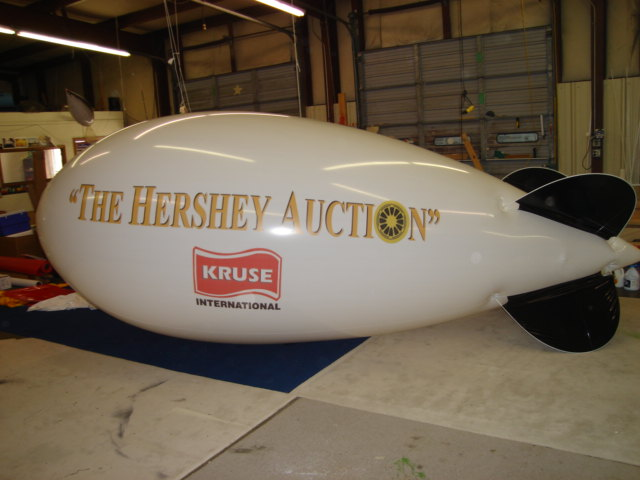
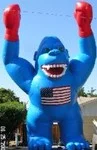
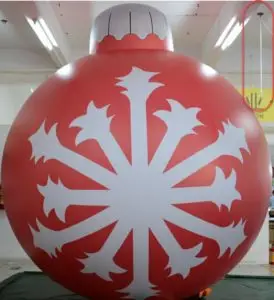
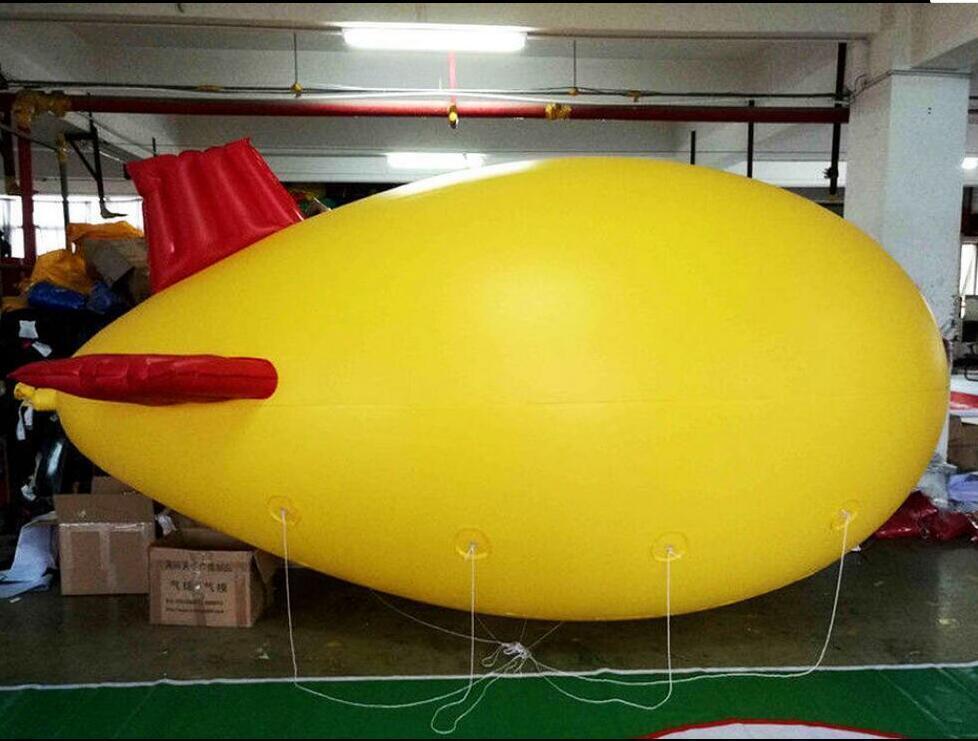
    Cold air balloons, sometimes called “cold inflatables,” are large balloons that are filled with regular, unheated air. Unlike hot air balloons, which use burners to heat the air inside and float into the sky, cold air balloons stay on the ground. They’re often used for advertising, festivals, parades, and educational demonstrations.

    Stay Grounded:
    They don’t fly like hot air balloons. Instead, they stand tall and proud where you put them.

    Air-Powered:
    Filled with cold, regular air using electric fans or blowers.

    Safe and Easy:
    No fire, no burners, and no risk of floating away!

    Fun Shapes and Sizes:
    Can be made to look like animals, cartoon characters, or even giant products.

    The Science Behind Cold Air Balloons

    To understand cold air balloons, it helps to know a little about how regular hot air balloons work.

    How Hot Air Balloons Fly

    Hot air balloons float because hot air is lighter (less dense) than cold air. When the air inside the balloon is heated, it rises, making the whole balloon float up. This is called buoyancy-the same reason a beach ball floats in water.

    “Hot air balloons fly using buoyancy. Hot air is less dense than cold air and so hot air will be buoyant when surrounded by cold air.”

    Why Cold Air Balloons Stay on the Ground

    Cold air balloons don’t use heat at all. They’re filled with air at the same temperature as the air around them. Since there’s no difference in temperature, there’s no lift. The balloon stays on the ground, held up by the pressure of the air pumped inside.

    How Are They Inflated?

    -A powerful fan blows air into the balloon.

    -The air fills up the balloon, making it expand and stand upright.

    -The balloon is tied down with ropes or anchored to the ground.
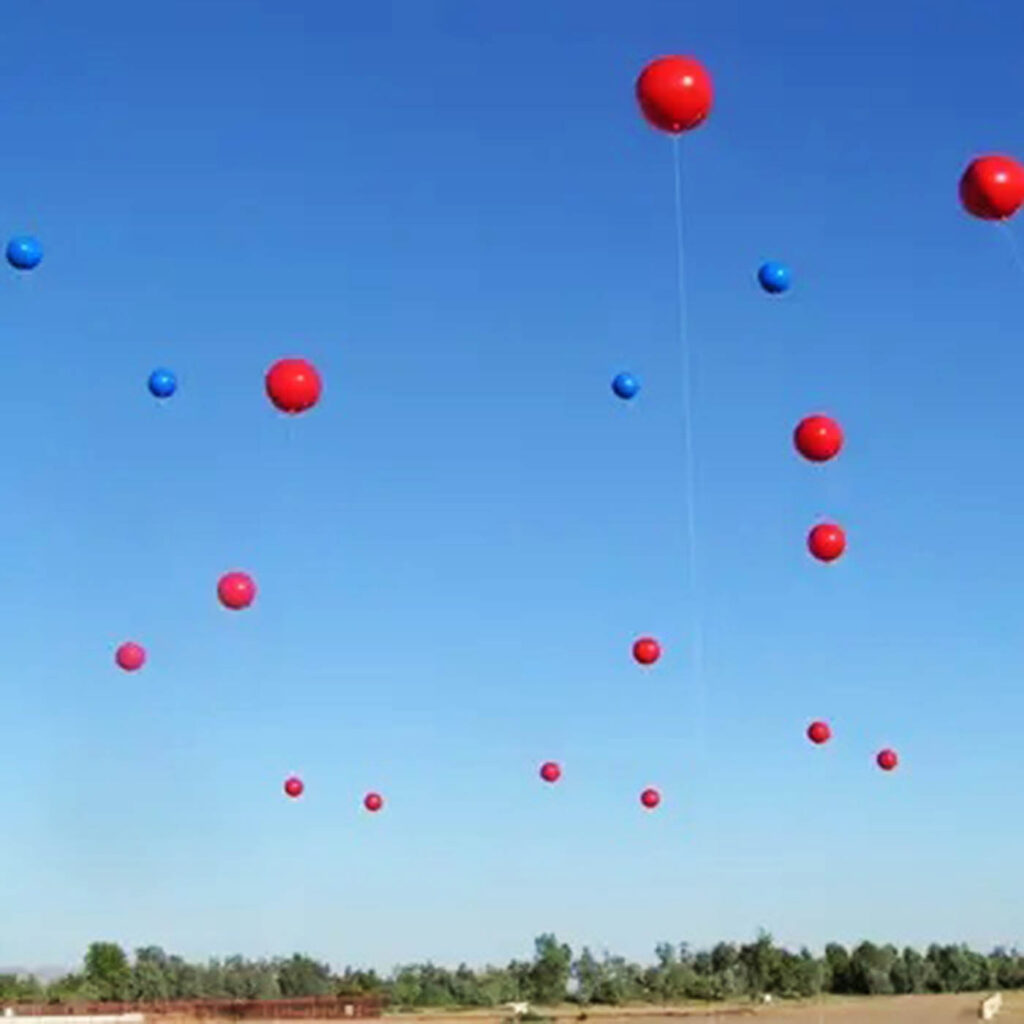
    Balloons have a long and exciting history. The first balloons that carried people used hot air or gases like hydrogen to float high above the ground. These early flights amazed crowds and changed the way people thought about flying.

    1783: The first hydrogen balloon flight in Paris. People were so amazed (and scared) that they attacked the balloon when it landed!

    1800s: Balloons were used for military observation and scientific experiments.

    Today: Hot air balloons are used for fun rides, while cold air balloons are popular at events and as giant mascots.

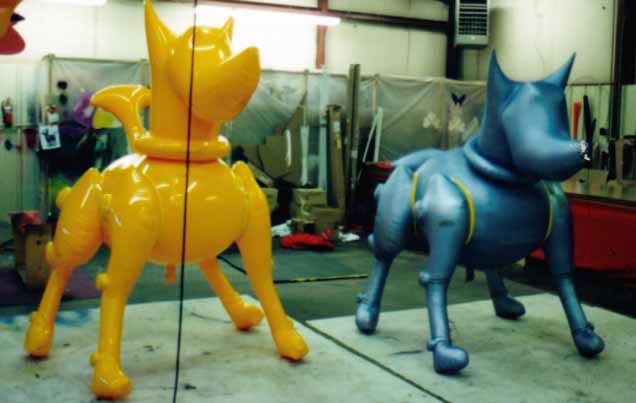
    Cold air balloons are made from strong, lightweight fabrics like nylon or polyester. The fabric is sewn together in panels to create the desired shape. Some look like traditional round balloons, while others are shaped like animals, cartoon characters, or even cars!

    Parts of a Cold Air Balloon

    Envelope:
    The main body of the balloon, made of colorful fabric.

    Inflation Fan:
    A large fan that blows air into the envelope.

    Tethers:
    Ropes or cables that keep the balloon anchored to the ground.

    Base or Platform:
    Sometimes, a sturdy base is used to keep the balloon upright.

    Cold air balloons are everywhere once you start looking! Here are some places you might spot them:

    Parades:
    Giant cartoon characters floating down city streets.

    Festivals:
    Colorful shapes welcoming visitors.
    Sports Events:
    Team mascots or logos towering over the crowd.

    Stores and Car Dealers:
    Huge balloons shaped like products or animals to attract customers.

    Schools:
    Science fairs and STEM events often use cold air balloons for demonstrations.

    Cold air balloons aren’t just for looking at-they’re also great for learning and having fun!

    Classroom Science Projects
    Teachers can use small cold air balloons to teach about air pressure, volume, and the properties of gases. Students can build their own mini cold air balloons using plastic bags and fans.

    Art and Creativity
    Design your own balloon! Many companies let you create custom shapes and colors. Imagine seeing your favorite animal or superhero as a giant balloon.

    STEM Learning
    Cold air balloons are a safe way to explore the science of flight without needing special equipment or training. You can experiment with different shapes, sizes, and materials to see what works best.

    One of the most famous uses of cold air balloons is the Macy’s Thanksgiving Day Parade in New York City. Every year, millions of people watch as giant balloons shaped like Snoopy, Pikachu, and other characters float down the streets. These balloons are filled with cold air and helium, and are carefully controlled by teams of handlers.
    Stay Safe:
    Never try to climb on or play rough with a cold air balloon-they’re big, but the fabric can tear.

    Get Creative:
    Try making your own mini cold air balloon at home with a trash bag and a hair dryer (with adult supervision).

    Learn More:
    Visit a local festival or parade to see cold air balloons up close.

    Businesses love cold air balloons because they’re eye-catching and fun. A giant balloon shaped like a soda bottle or a car can help a store stand out and attract customers. Some companies even use cold air balloons as mascots at sports games or community events.

    Q: Can cold air balloons fly?
    A: No, cold air balloons stay on the ground. Only hot air balloons or gas balloons can fly.

    Q: Are cold air balloons safe?
    A: Yes! Since they don’t use heat or fire, they’re very safe when used properly.

    Q: How long does it take to set up a cold air balloon?
    A: Most can be inflated in 10-30 minutes, depending on size.

    Q: Can I rent a cold air balloon for my party or event?
    A: Absolutely! Many companies rent out cold air balloons for birthdays, school events, and more.

    With new materials and technology, cold air balloons are getting bigger, brighter, and even more creative. Some are now made with eco-friendly fabrics or LED lights for nighttime displays. Who knows what amazing shapes we’ll see next?

    Cold air balloons are more than just giant decorations-they’re a fun, safe, and educational way to bring excitement to any event. Whether you’re watching a parade, learning about science in school, or just enjoying a festival, cold air balloons add color and wonder to our world.

    So next time you see a giant balloon waving in the breeze, you’ll know the science and creativity that goes into making it possible. Want to learn more or see cold air balloons in action? Leave a comment below, share this article with your friends, or check out our other pages for more cool balloon facts!

    Let us know your favorite balloon shape, or share a story about a time you saw a cold air balloon up close!
  • Magic of Balloons That Don’t Need Heat Are the Cold Air Balloons

    Magic of Balloons That Don’t Need Heat Are the Cold Air Balloons

    Imagine a balloon soaring high, floating gently above the ground-not because of hot flames or burning fuel, but simply with the power of cold air. Welcome to the fascinating world of cold air balloons! Whether you’re a curious student, a party planner, or just someone who loves balloons, this article will take you on a journey through the science, creativity, and excitement of cold air balloons.

    Cold air balloons are large, often decorative balloons that are filled with regular, cool air instead of hot air or lighter-than-air gases like helium or hydrogen. Unlike hot air balloons that use burners to heat the air inside and rise into the sky, cold air balloons stay grounded or float just above the ground, held up by the pressure of the air inside them.

    These balloons are commonly seen at events, parades, festivals, and even as giant advertising displays. They come in all shapes and sizes-from enormous cartoon characters in parades to colorful arches at birthday parties.

    How Does Air Make a Balloon Float (or Stand Tall)?

    To understand cold air balloons, let’s first look at how air works inside any balloon. Air is made up of tiny molecules that move around and bump into each other. When you blow up a balloon, you’re pushing lots of these molecules inside. The pressure from all those bouncing molecules pushes out on the balloon’s walls, making it expand and become firm.

    Thermal Expansion and Contraction:
    When air inside a balloon is heated, the molecules move faster and spread out, making the air less dense. That’s how hot air balloons rise-hot air is lighter than the cooler air outside. But with cold air balloons, we use regular air at room temperature, or sometimes even cooler air, to fill the balloon. The pressure from the packed air keeps the balloon inflated, but it doesn’t make it float up into the sky.

    Staying Grounded:
    Because cold air is denser than hot air, cold air balloons don’t rise. Instead, they stay on the ground or are anchored in place. This makes them perfect for decorations, advertising, and fun displays where you don’t want your balloon to fly away!

    Inflatable Decorations
    These are the giant balloons you see at parades, store openings, or sports events. They’re filled with cold air using electric fans or pumps and come in all sorts of fun shapes-animals, cartoon characters, logos, and more.

    Balloon Arches and Columns
    Perfect for parties and celebrations, these are made by tying together many cold air balloons to form arches, columns, or even walls. They add color and excitement to any event.

    Advertising Inflatables
    Businesses use cold air balloons shaped like products, mascots, or logos to attract attention. These inflatables can be many feet tall and are often placed outside stores or at events.

    Science Experiments
    Teachers and students use cold air balloons for experiments to learn about air pressure, density, and the properties of gases.

    Cold air balloons are usually made from strong, flexible materials like nylon or PVC. These materials can hold the pressure of the air inside without popping or leaking easily.

    Seams:
    The pieces of fabric or plastic are stitched or heat-sealed together to make a shape.

    Inflation:
    A fan or air pump blows cold air inside until the balloon is fully inflated. Some balloons have a flap or zipper so you can add or remove air as needed.

    Anchoring:
    Because cold air balloons don’t float, they need to be tied down with ropes, sandbags, or stakes to keep them in place.

    Balloons have a long and exciting history. The first balloons that carried people into the sky were hot air balloons, invented in the 1700s in France. These used fire to heat the air inside, making them lighter than the air outside.

    Later, people discovered that gases like hydrogen and helium could also make balloons float. But cold air balloons became popular for decorations and advertising because they are safer, easier to use, and can be made in almost any shape or size.

    Safety
    -No fire or flammable gases are needed.
    -Safe for indoor and outdoor use.

    Versatility
    -Can be made in endless shapes, sizes, and colors.
    -Perfect for parties, parades, sports events, and more.

    Cost-Effective
    -Cheaper than helium or hot air balloons.
    -Reusable and easy to store.

    Fun and Creative
    -Great for DIY projects and crafts.
    -Lets your imagination soar without worrying about safety.

    The Macy’s Thanksgiving Day Parade
    One of the most famous uses of cold air balloons is in the Macy’s Thanksgiving Day Parade in New York City. Giant balloons shaped like cartoon characters float above the streets, held down by ropes and filled with cold air or helium.

    Store Openings and Sales
    Businesses often use giant cold air balloons shaped like their products or logos to draw attention during big sales or grand openings.

    School Science Fairs
    Students use cold air balloons to demonstrate air pressure, density, and the effects of temperature on gases.

    Want to try a simple science experiment to see how air temperature affects balloons? Here’s how:

    What You Need:

    -Two empty plastic bottles

    -Two balloons

    -Warm water and cold water

    -Two bowls

    Steps:

    -Stretch a balloon over the opening of each bottle.

    -Place one bottle in a bowl of warm water and the other in cold water.

    -Watch what happens!

    What You’ll See:

    The balloon in warm water will start to inflate as the air inside expands. The balloon in cold water will shrink as the air contracts. This shows how air molecules move faster and take up more space when heated, and slow down and take up less space when cooled.

    Choose the Right Size:
    Bigger balloons need stronger materials and more air. Make sure you have a good pump or fan!

    Secure Your Balloon:
    Always anchor your balloon so it doesn’t blow away in the wind.

    Check for Leaks:
    Before your event, make sure there are no holes or weak seams.

    Get Creative:
    Use markers, stickers, or paint to decorate your balloons. Make arches, animals, or anything you can imagine!

    -The world’s largest cold air balloon was over 100 feet tall!

    -Some cold air balloons are used as movie props or stage decorations.

    -Cold air balloons can last for many years if stored properly.

    Materials Needed:

    -Balloons (latex or foil)

    -Air pump or electric fan

    -String or ribbon

    -Weights or sandbags (to anchor)

    Instructions:

    -Inflate your balloon using the pump or fan.

    -Tie off the end tightly to keep the air inside.

    -Decorate with paint, stickers, or streamers.

    -Use string and weights to anchor your balloon in place.

    -Arrange your balloons in an arch, column, or fun shape!

    Cold air balloons are a party planner’s dream! Here’s why:

    Easy to Set Up:
    No special equipment needed-just a pump and some creativity.

    Reusable:
    After the party, deflate and store for next time.

    Customizable:
    Match your balloon colors and shapes to any theme-unicorns, superheroes, sports, and more.

    Eco-Friendly Options:
    Use biodegradable balloons or recycled materials for a greener celebration.

    With new materials and technology, cold air balloons are getting even better. Some are now made from recycled plastics or eco-friendly fabrics. Others use LED lights inside for nighttime displays. As 3D printing becomes more common, we might see even more amazing balloon shapes in the future!

    Cold air balloons are more than just decorations-they’re a blend of science, art, and fun! From giant parade floats to creative party arches, these balloons bring joy and wonder to people of all ages. They’re safe, versatile, and perfect for anyone who wants to add a little magic to their next event or experiment.

    So next time you see a giant balloon at a parade or a colorful arch at a party, you’ll know the secret: it’s all thanks to the amazing power of cold air!

    Ready to make your next event truly larger than life? ✨
    📞 Call 1-800-791-1445 ✉️ Email Us
    Contact Texas Blimps today!