Let’s take you inside the fascinating world of giant helium balloons, showing you how they work, where they’re used, and why they capture our imagination.
Call us at 1-800-791-1445 or email us at Sales@TexasBlimps.com
What Are Giant Helium Balloons?
Imagine looking up and seeing a balloon as big as a car floating high above the clouds, carrying scientific instruments, cameras, or even just a burst of color to a festival. Giant helium balloons aren’t just for parties-they’re tools for discovery, creativity, and fun. Today, we’ll t helium balloons are much larger than the balloons you see at birthday parties. Some can be as wide as a small car or even bigger! They’re made from strong materials like latex or special plastics and are filled with helium-a gas that’s lighter than air, which makes them float.

These balloons are used for all sorts of things, from scientific research to amazing decorations at big events. Let’s explore how they work and why they’re so special.
How Do Giant Helium Balloons Float?
The secret behind giant helium balloons is buoyancy. Helium is much lighter than the air around us. When a balloon is filled with helium, it pushes away (or “displaces”) the heavier air, allowing it to float upward-just like a boat floats on water.
Here’s how it works:
Helium weighs about 0.1785 grams per liter, while air weighs about 1.25 grams per liter.
When a balloon is big enough, the difference in weight between the helium and the air it replaces is enough to lift not just the balloon, but also anything attached to it!
For example, a balloon 100 feet across could lift up to 33,000 pounds-that’s about the weight of five elephants!
Types of Giant Helium Balloons
Giant helium balloons come in different shapes, sizes, and materials. Here are the most common types:
Latex (Rubber) Balloons
-Made from natural or synthetic rubber
-Very stretchy and can be inflated to huge sizes
-Cost-effective and easy to use
-Can be filled with air or helium
-Shorter float time with helium because latex is a bit porous
Foil (Mylar) Balloons
-Made from thin, metallic plastic
-Shiny and available in many colors and shapes
-Hold helium longer than latex balloons
-More durable, but can burst if overinflated or poked
-Recyclable and reusable
Custom-Shaped Balloons
-Made for special events or advertising
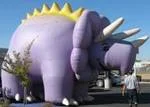
-Can look like animals, cartoon characters, or company logos
-Often used in parades or big celebrations
Amazing Uses for Giant Helium Balloons
Giant helium balloons aren’t just for fun-they’re used in many important and creative ways.
Weather and Science
Weather Balloons:
Scientists use giant helium balloons to study the atmosphere. These balloons carry instruments that measure temperature, humidity, and air pressure as they rise high into the sky-sometimes up to 30 kilometers (about 19 miles) above the ground!
Experiments:
Researchers use them to study things like pollution, ozone, and even cosmic rays from space.
Stratospheric Exploration:
Balloons have carried microphones to record mysterious sounds high above the Earth, and cameras to capture the curve of our planet.
Events and Celebrations
Parades:
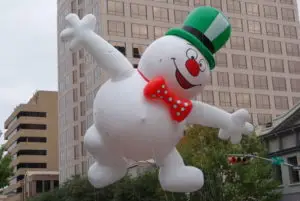
Think of the huge balloons in the Macy’s Thanksgiving Day Parade-those are giant helium balloons!
Festivals and Parties:
They create eye-catching displays, photo backdrops, and even floating sculptures.
Weddings and Grand Openings:
Giant balloons can be shaped into arches, columns, or even letters to spell out messages.

Advertising and Marketing
Promotions:
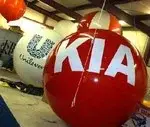
Businesses use giant helium balloons shaped like their products or logos to grab attention at events or outside stores.
Sky-high Billboards:
Floating advertisements can be seen from far away, making them perfect for drawing crowds.
Special Projects and Art
Art Installations:
Artists use giant helium balloons to create floating sculptures or interactive exhibits.
Movie and Photo Shoots:
Balloons add drama, color, and a sense of wonder to creative projects.
How Are Giant Helium Balloons Made and Used?
Materials and Construction
Durability:
Giant helium balloons must be tough! They’re made from thick latex or special plastics that resist tearing and can handle changes in temperature and pressure.
Sealing:
The neck of the balloon is wide, making it easy to fill but also important to seal tightly so no helium escapes.
Filling:
Balloons can be filled with helium using pumps or tanks. For really big balloons, special equipment is used to make sure they fill up safely and evenly.

Safety Tips
Don’t Overinflate:
Too much helium can make the balloon burst.
Avoid Sharp Objects:
Keep balloons away from trees, wires, or anything sharp.
Secure Tightly:
Always tie down giant helium balloons, especially outdoors, so they don’t fly away.
Real-World Examples: Giant Helium Balloons in Action
Weather Research
Every day, scientists around the world launch giant helium balloons to study the weather. These balloons carry tiny computers and sensors, sending back data that helps meteorologists predict storms, track climate change, and even study the ozone layer.
Art and Entertainment
At big music festivals, you might see giant helium balloons floating above the crowd, glowing with lights or painted with bright designs. In cities, artists have created balloon sculptures that drift above parks, inviting people to look up and smile.
Marketing Magic
Companies have used giant helium balloons shaped like cars, soda bottles, or even cartoon characters to advertise new products. These floating billboards are hard to miss and make any event feel special.
Fun Facts About Giant Helium Balloons
-The world’s largest helium balloon was over 200 feet tall!
-Some weather balloons can rise so high that they burst, and their instruments float back to Earth on parachutes.
-Helium is used because it’s safe and non-flammable (unlike hydrogen, which is lighter but dangerous).
-Some balloons are so big they need a team of people just to hold them down during parades.
How to Use Giant Helium Balloons for Your Next Event
Thinking about adding giant helium balloons to your party, school event, or business opening? Here are some tips:
Plan Ahead:
Decide what size and shape you want. Bigger balloons need more helium and space.
Choose the Right Material:
Latex for short events, foil for longer-lasting displays.
Safety First:
Always have adults handle the filling and tying of giant balloons.
Get Creative:
Use balloons to spell out messages, create arches, or even build floating sculptures.
Giant Helium Balloons and the Environment
While giant helium balloons are fun and useful, it’s important to think about the environment:
-Latex balloons are biodegradable, but they can still harm animals if not disposed of properly.
-Foil balloons can be recycled, but should never be released outdoors where they might get tangled in power lines or harm wildlife.
-Always clean up after your event and recycle when possible.
Conclusion: Why Giant Helium Balloons Inspire Us
Giant helium balloons are more than just floating decorations. They’re tools for science, art, and celebration. They help us explore the skies, bring people together at events, and turn ordinary moments into something unforgettable.
Whether you’re a scientist, an artist, or just someone who loves a good party, giant helium balloons have something to offer. So next time you see one drifting above a parade, a festival, or even in a science experiment, take a moment to appreciate the magic-and maybe dream a little bigger.