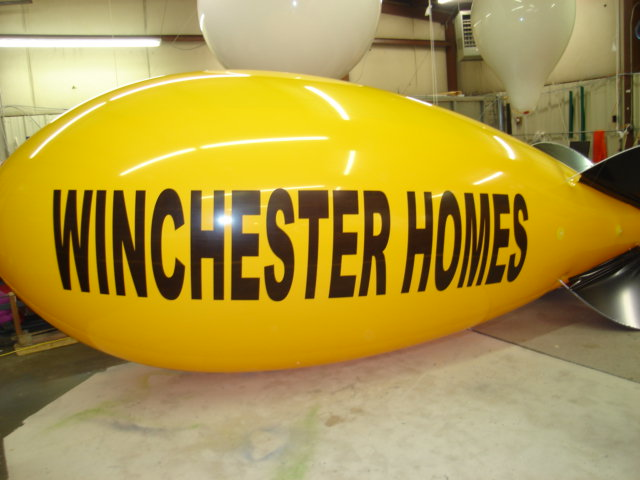
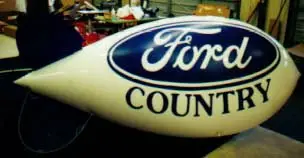
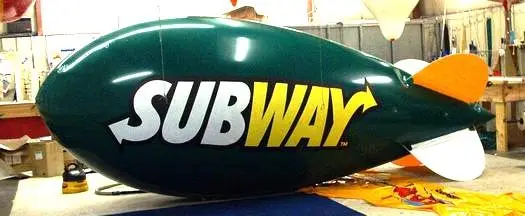
Imagine looking up at a sports game or festival and seeing a giant blimp floating above, proudly displaying a brand’s message. It’s impossible to ignore! That’s the magic of blimp advertising—it’s big, bold, and memorable. But what does it really cost to get your brand soaring above the crowd? Let’s explore the real numbers, what affects the blimp cost for advertising, and why so many companies are willing to invest in this sky-high strategy.
What Is Blimp Advertising?
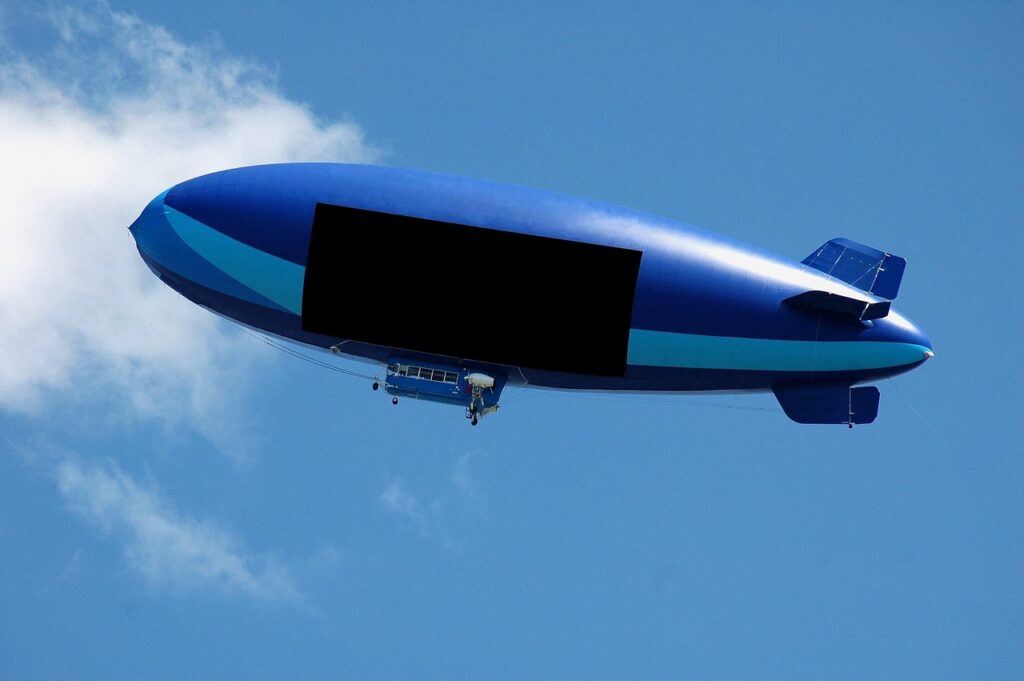
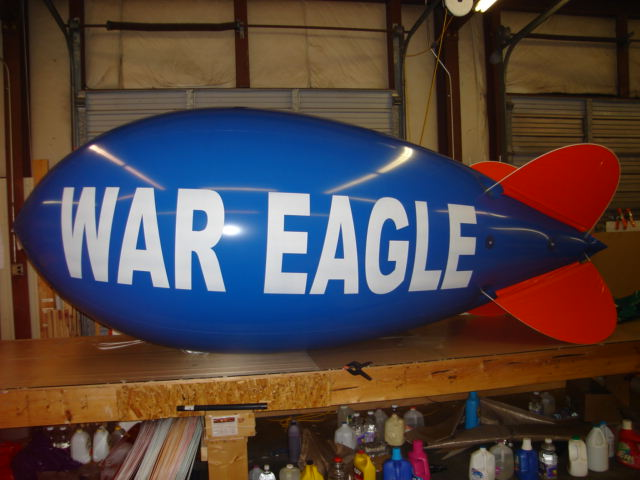
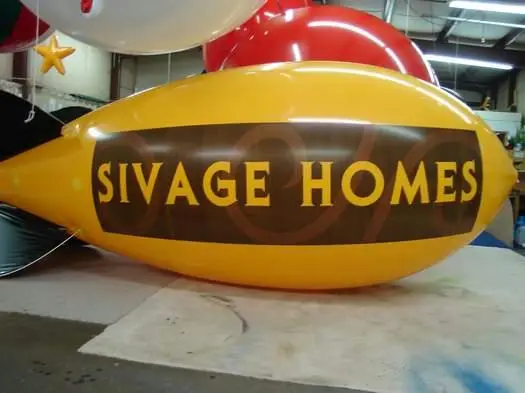
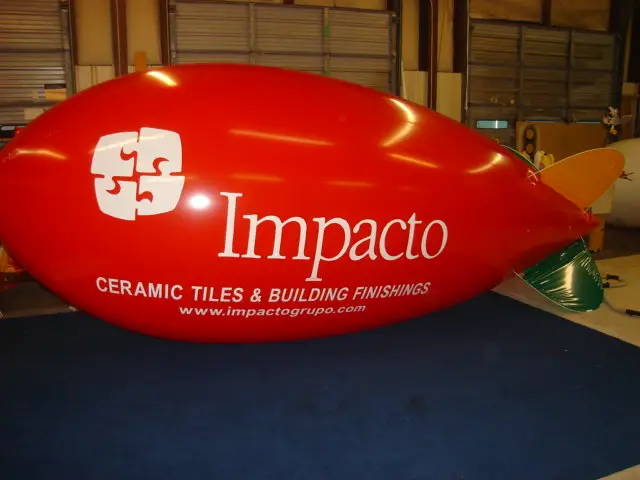
A blimp is a large, lighter-than-air aircraft that floats using helium. Advertisers use blimps as flying billboards, displaying banners or digital screens that can be seen from miles away. Blimps are used at big events, over cities, or even for special promotions. Their size and visibility make them a powerful tool for grabbing attention and building brand awareness.
Blimp Cost for Advertising: The Real Numbers
How Much Does It Cost to Advertise on a Blimp?
Blimp advertising is not cheap, but it can deliver millions of impressions. Here’s what you need to know:
CPM (Cost per Thousand Impressions): On average, the blimp cost for advertising ranges from $7 to $18 per thousand impressions, depending on how many events the blimp attends and how much media coverage it generates.
Monthly Impressions: A full-size blimp can deliver between 25 and 40 million impressions per month.
Typical Campaign Costs: While exact prices vary, a single blimp campaign can run from tens of thousands to several hundred thousand dollars, especially for high-profile events or long-term campaigns.
What Factors Affect Blimp Cost for Advertising?
Several factors can make blimp advertising more or less expensive:
Media Channel Selection: Blimps are a premium advertising channel, often costing more than digital or print ads but offering unmatched visibility.
Event Location & Timing: Flying over major events (like the Super Bowl or a city festival) increases both impressions and costs.
Ad Placement & Size: Bigger blimps and larger banners cost more, but they’re also easier to see.
Campaign Duration: Longer campaigns cost more but deliver more impressions.
Seasonal Trends: Advertising during peak seasons or major events can raise prices due to higher demand.
Call us at 1-800-791-1445 or email us at Sales@TexasBlimps.com
Crew & Logistics: Costs include a trained crew, helium, equipment, insurance, and sometimes special permits.
Weather Risks: Bad weather can ground a blimp, so insurance and backup plans add to the total cost.
Creative Complexity: Custom designs, lighting, or digital displays may increase the price.
What’s Included in a Blimp Advertising Package?
A typical blimp advertising package might include:
-Blimp rental and operation
-Crew (2–3 people)
-Helium and equipment
-Insurance (often up to £5 million in public liability)
-Artwork production (removable banners or digital screens)
-Permits and authorizations
-Flight time (often 8+ hours per day, weather permitting)
-Optional extras: live broadcasting, aerial filming, or night lighting
Real-World Example: Blimp Advertising Success
Whitman’s Chocolates in Australia
Objective: Make Whitman’s Chocolates a household name in Australia, where Cadbury was the market leader.
Execution: 80% of the marketing budget went to a blimp campaign, flying over major events and providing aerial coverage for TV.
Results: In three years, Whitman’s became the market leader, with sales exceeding expectations by 240% and a $25 million turnover.
This case shows how a big investment in blimp advertising can deliver huge results, especially when combined with other marketing efforts.
Tips for Getting the Most Value from Blimp Advertising
Plan Around Big Events: Fly your blimp over major sports games, festivals, or city gatherings to maximize impressions.
Combine with Other Media: Use blimp advertising alongside social media or TV to reinforce your message.
Choose the Right Location: Target areas where your audience gathers—stadiums, beaches, city centers.
Customize Your Message: Make your banner bold, clear, and easy to read from a distance.
Factor in Weather: Have backup plans in case of bad weather, especially for outdoor events.
Track Results: Use social media hashtags, website landing pages, or QR codes to measure engagement.
Who Should Consider Blimp Advertising?
Blimp advertising is best for:
-Big brands launching new products
-Companies sponsoring major events
-Businesses wanting to make a splash in a crowded market
-Those with a large marketing budget seeking high-impact, memorable campaigns
It’s less suitable for small businesses with limited budgets or those needing highly targeted, local advertising.
Common Questions About Blimp Cost for Advertising
Q: Is blimp advertising cost-effective? A: For brands seeking mass awareness and a unique presence, blimp advertising can deliver a strong return on investment, especially at large events.
Q: How long does a typical campaign last? A: Campaigns can last a single day or several months, depending on goals and budget.
Q: What about safety and insurance? A: Most providers include high-value public liability insurance and follow strict safety protocols.
Q: Can blimps be used indoors? A: Yes! Smaller, remote-controlled blimps are great for stadiums and exhibition halls, especially when outdoor weather is a concern.
The Future of Blimp Advertising
As digital ads become more crowded, brands are looking for ways to stand out. Blimps offer a unique, high-impact solution that’s hard to ignore. With new technology like LED screens and drone blimps, the possibilities for creative sky-high advertising are only growing.
Conclusion: Is Blimp Advertising Worth the Cost?
Blimp advertising is a premium, attention-grabbing marketing tool that can deliver millions of impressions and make your brand unforgettable. While the blimp cost for advertising is higher than many other media, the impact is unmatched—especially for big events or major product launches.
If you have the budget and want to make a sky-high statement, blimp advertising could be your brand’s ticket to the top. Ready to take your message to new heights? Leave a comment below, share your thoughts, or contact us to learn more about how blimp advertising can work for you!
Imagine looking up at a bright blue sky and spotting a giant, floating balloon gliding smoothly above a stadium or city. It’s not a bird, a plane, or even a hot air balloon—it’s a blimp! But how do these massive airships float, steer, and stay safe in the sky? Let’s dive into the fascinating world of blimps and uncover the secrets behind how blimps work.
Introduction
Blimps are some of the most eye-catching and mysterious vehicles in the sky. Unlike airplanes or helicopters, they float gently and move without wings or spinning blades. But what exactly makes a blimp rise, and how do pilots control where it goes? In this article, we’ll explore how blimps work, including the science behind their flight, their parts and controls, and their uses today. By the end, you’ll be a blimp expert!
What Is a Blimp?
A blimp is a type of airship—a flying machine that stays up in the air because it’s lighter than the air around it. Unlike rigid airships, which have a metal frame inside, blimps are nonrigid. This means they keep their shape only because they’re filled with gas and don’t have a skeleton inside. If a blimp loses its gas, it becomes floppy and loses its shape.
Blimps are sometimes called “giant balloons with engines,” and that’s not far from the truth. But there’s a lot more to how blimps work than just being big balloons!
The Science of Flight: Why Blimps Float
The secret to how blimps work lies in a simple science fact: some gases are lighter than air. Blimps are filled with helium, a gas that is much lighter than the air around us. When you fill a huge bag (called the envelope) with helium, the entire blimp becomes lighter than the air outside. This is called buoyancy.
Think of it like a boat floating on water. The boat floats because it’s less dense than the water. In the same way, a blimp floats because it’s less dense than the air around it.
Helium vs. Hydrogen
In the past, blimps used hydrogen, which is even lighter than helium. But hydrogen is very flammable and caused some famous disasters, like the Hindenburg. Today, almost all blimps use helium, which is safe and non-flammable.
Parts of a Blimp
To understand how blimps work, let’s look at their main parts:
Envelope: The huge, balloon-like bag that holds the helium.
Ballonets: Smaller air-filled bags inside the envelope that help control the blimp’s height and balance.
Gondola: The cabin or “car” underneath where the pilot and passengers sit.
Engines and Propellers: These provide the power to move forward, backward, and even turn.
Fins and Rudder: Like the tail of an airplane, these help steer the blimp.
Mooring Mast: A tall pole where the blimp is tied down when it’s not flying.
How Blimps Go Up and Down
One of the coolest things about how blimps work is how they rise and fall in the sky. This is controlled by the ballonets inside the envelope.
To Go Up: The pilot lets air out of the ballonets, making the blimp lighter. The helium pushes up, and the blimp rises.
To Go Down: The pilot pumps air into the ballonets. This makes the blimp heavier, so it sinks gently.
Pilots have to balance the amount of helium and air carefully to keep the blimp floating at just the right height. This is called achieving neutral buoyancy—not too heavy, not too light.
How Blimps Move and Steer
Blimps don’t just float—they can move forward, backward, and turn. Here’s how blimps work when it comes to movement:
Engines and Propellers: Most blimps have engines attached to the gondola. These spin propellers, which push the blimp through the air.
Rudder and Fins: The rudder (a flat piece at the back) helps steer left and right, while fins help keep the blimp stable.
Elevators: These are small wings that help the blimp go up or down at an angle, kind of like an airplane.
The pilot uses controls in the gondola to manage all these parts, making the blimp glide smoothly through the sky.
What Happens Inside the Blimp?
Inside the envelope, there’s more than just helium. The ballonets play a big role in how blimps work. As the blimp rises, the outside air pressure drops, and the helium inside expands. To keep the envelope from bursting, the pilot pumps air into the ballonets to keep the pressure balanced.
If the blimp needs to descend, the pilot fills the ballonets with more air, making the blimp heavier. It’s a careful balancing act that requires skill and attention.
Real-World Example: The Goodyear Blimp
When people think of blimps, they often picture the famous Goodyear Blimp. This blimp has been flying over sports events and cities for nearly a century, showing off advertising and providing aerial views for TV.
The Goodyear Blimp is a perfect example of how blimps work in real life. It uses helium for lift, has powerful engines for movement, and is controlled by skilled pilots who manage the ballonets and steering fins. Over the years, Goodyear blimps have become icons in the sky, known for their gentle flight and impressive size.
Are Blimps Safe?
Safety is a big part of how blimps work. Today’s blimps use helium, which is much safer than hydrogen. Pilots are trained to handle all kinds of weather, and blimps are designed to land safely even if something goes wrong.
However, blimps are still affected by strong winds and storms. There have been accidents in the past, but modern technology and careful piloting have made blimps much safer.
How Are Blimps Used Today?
You might be surprised to learn that blimps aren’t just for advertising. Here are some ways blimps are used today:
Advertising: The most common use—blimps fly over big events with logos and messages.
TV and Filming: Blimps provide amazing aerial views for sports and news.
Surveillance: Some blimps are used by governments to watch over large areas.
Research: Scientists use blimps to study weather, wildlife, and even pollution.
Education: Building model blimps is a popular project in engineering schools, helping students learn about flight and mechanics.
Call us at 1-800-791-1445 or email us at Sales@TexasBlimps.com
How Do You Land a Blimp?
Landing a blimp is a team effort. The pilot brings the blimp down slowly by filling the ballonets with air, making it heavier. On the ground, a crew grabs ropes from the blimp and helps pull it down gently. The blimp is then tied to a tall mooring mast, where it stays until its next flight.
Building and Flying Model Blimps
Learning how blimps work isn’t just for pilots—it’s also a fun project for students and hobbyists. Many engineering schools use blimp projects to teach about mechanics, electronics, and teamwork. Students design, build, and even program small blimps, learning how to balance weight, control movement, and solve real engineering problems.
Fun Facts About Blimps
-The largest blimps can be over 200 feet long—longer than a blue whale!
-Blimps can hover in one place, making them great for filming sports events.
-It takes a whole team to launch, land, and care for a blimp.
-The word “blimp” is thought to come from the sound made when you tap the envelope—“blimp!”
The Future of Blimps
While blimps aren’t as common as airplanes, they still have a place in our skies. New designs are making blimps more efficient and useful for carrying cargo, watching over forests, or even exploring other planets! Some scientists believe blimps could help fight climate change by using solar power and carrying heavy loads without polluting the air.
Conclusion
Blimps are more than just floating billboards—they’re marvels of engineering and science. By using lighter-than-air gases, clever controls, and skilled piloting, blimps can float, steer, and land safely. Whether they’re flying over a football game or helping scientists study the earth, blimps show us the magic of flight in a whole new way.
Next time you see a blimp drifting across the sky, you’ll know exactly how blimps work—and maybe you’ll dream of piloting one yourself!
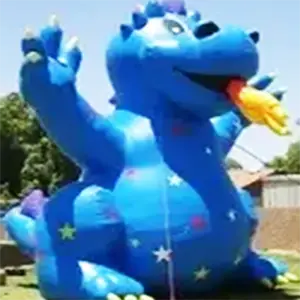
Imagine walking into a festival, parade, or busy street fair. Suddenly, you spot a massive, colorful balloon floating above the crowd, shaped like a giant sneaker, a favorite cartoon character, or even a smiling mascot. Instantly, your eyes are drawn up. You snap a photo. You want to know more. That’s the magic of custom giant inflatable balloons-they grab attention, spark curiosity, and make memories that last.
Introduction: The Power of Custom Giant Inflatable Balloons
Custom giant inflatable balloons are more than just big, bouncy decorations. They’re powerful tools for advertising, celebration, and creativity. Whether you’re a business looking to stand out, a school planning a fun event, or a city hosting a parade, these balloons can make your message float above the rest.
In this article, we’ll explore:
What custom giant inflatable balloons are and how they’re made
Why they’re so effective for advertising and events
Real-world examples and creative uses
Tips for designing and using your own custom inflatable
Where to find reliable suppliers and more
Let’s discover why these sky-high wonders are popping up everywhere!
What Are Custom Giant Inflatable Balloons?
Custom giant inflatable balloons are large, air-filled structures designed to grab attention. Unlike regular party balloons, these inflatables can be shaped, colored, and printed to match any idea you can dream up.
Key Features:
Custom Shapes & Sizes: From 7-foot spheres to 20-foot blimps, you can choose the size and shape that fits your needs.
Durable Materials: Most are made from strong nylon or PVC, designed to last outdoors and withstand wind and rain.
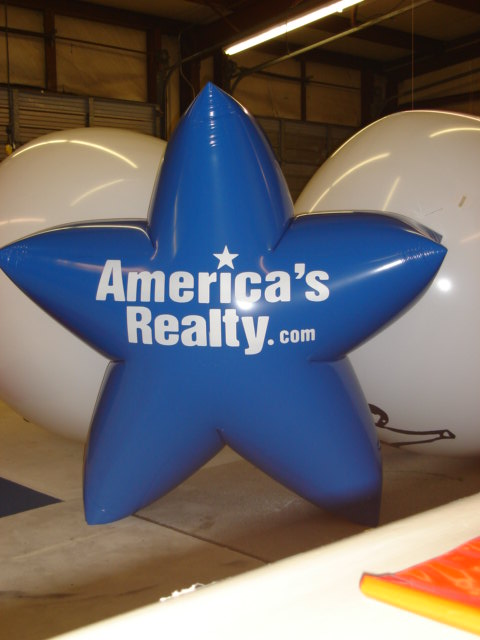
Personalized Printing: Logos, slogans, mascots, and artwork can be printed directly onto the balloon.
Easy Setup: They’re filled with air or helium and can be anchored to the ground or floated in the sky.
Where Are They Used?
-Parades and festivals
-Grand openings and product launches
-Sports events and school functions
-Trade shows and conventions
-Political campaigns and community celebrations
Why Custom Giant Inflatable Balloons Work
They Grab Attention Instantly Nothing stands out in a crowd like a 10-foot-tall balloon shaped like your brand’s mascot or product. The bright colors and massive size make people look up, take notice, and remember your message.
They’re Memorable and Fun People love taking photos with giant inflatables. This means your brand or event gets shared on social media, spreading your message even further.
They’re Versatile Custom giant inflatable balloons can be designed for any theme, event, or brand. Want a dancing tube man for your car dealership? A giant burger for your restaurant? A superhero for your school carnival? The possibilities are endless.
They’re Cost-Effective Compared to billboards or TV ads, giant inflatables offer a big impact for a lower cost. They can be used again and again for different events.
How Are Custom Giant Inflatable Balloons Made?
Step 1: Design You start by choosing the shape, size, and design. Some companies offer templates, while others let you create a totally unique balloon.
Step 2: Printing Your logo, artwork, or message is printed onto durable nylon or PVC using digital printing for bright, clear images.
Step 3: Construction The material is cut and stitched or heat-sealed to create the balloon’s shape. Reinforced seams and strong materials make sure it lasts.
Step 4: Inflation The balloon is filled with air (using a blower) or helium (for floating balloons). It’s anchored or tethered to keep it in place.
Real-World Examples: Custom Giant Inflatable Balloons in Action
Advertising at Sports Events A soft drink company launches a 15-foot inflatable bottle at a cricket match. Fans take selfies, and the brand’s logo is seen by thousands in the stadium and millions watching on TV.
Grand Openings A new electronics store uses a giant inflatable mascot outside its entrance. The balloon draws crowds, and the store’s opening day is a huge success.
Festivals and Parades During a city parade, custom giant inflatable balloons shaped like cartoon characters float above the crowd, delighting kids and adults alike.
School Events A school uses a custom inflatable shaped like their tiger mascot for homecoming. Students feel proud, and the event feels extra special.
Political Campaigns A political party uses a giant inflatable balloon with their candidate’s face and slogan at rallies, making their message visible from far away.
Design Tips for Custom Giant Inflatable Balloons
Keep It Simple and Bold Large, simple designs are easier to see from a distance. Use bold colors and clear text.
Make It Unique Think outside the box! Unique shapes-like a giant shoe, animal, or cartoon-are more memorable than a simple sphere.
Add Your Logo and Message Include your brand’s logo, slogan, or website. Make sure it’s big enough to read from far away.
Plan for Safety Work with professionals to ensure the balloon is anchored securely, especially for outdoor events.
Reuse and Recycle Choose durable materials so you can use your balloon for multiple events. Some companies offer eco-friendly options.
How to Choose the Right Supplier When picking a company to make your custom giant inflatable balloon, look for:
Experience: Choose a supplier with a good track record and positive reviews.
Customization Options: Make sure they can create the shape, size, and design you want.
Quality Materials: Ask about the materials used and how long the balloon will last.
Printing Quality: Check samples to see if the printing is bright and clear.
Support and Delivery: Reliable companies help with design, setup, and shipping.
Creative Ideas for Using Custom Giant Inflatable Balloons
Birthday Parties: Surprise guests with a giant inflatable cake or favorite character.
Corporate Events: Use your company’s logo or mascot to welcome visitors.
Store Promotions: Announce sales or new products with a themed balloon.
Charity Walks: Lead the parade with a massive inflatable heart or ribbon.
Holiday Celebrations: Decorate with giant pumpkins for Halloween or snowmen for Christmas.
Frequently Asked Questions
Q: How long do custom giant inflatable balloons last? A: With proper care, high-quality balloons can last for several years and be used at many events.
Q: Can I use them indoors and outdoors? A: Yes! They’re designed for both. Just make sure to anchor them securely outdoors.
Q: How do I store the balloon after use? A: Deflate it, fold it carefully, and keep it in a dry place. Most come with a storage bag.
Q: Are they safe for kids? A: Yes, when set up properly. Always follow the supplier’s safety instructions.
Conclusion: Let Your Message Rise Above the Rest
Custom giant inflatable balloons are more than just decorations-they’re attention-grabbing, memorable, and fun tools that help your brand or event stand out. Whether you’re planning a parade, promoting a business, or celebrating a special day, these balloons make your message float high above the crowd.
Ready to make your next event unforgettable? Start designing your own custom giant inflatable balloon today! Call us at 1-800-791-1445 or you can also email us on Sales@TexasBlimps.com for more details and pricing.
Have you ever seen a giant balloon floating in the sky and wondered what it was for? Sometimes, those big balloons are like flying billboards! They’re called advertising helium balloons, and they’re a super fun way for businesses to say “Look at me!”
Call us at 1-800-791-1445 or email us at Sales@TexasBlimps.com
Welcome to the amazing world of giant floating advertisements! This article is all about a special kind of marketing tool called an advertising helium balloon. We’re going to explore what these balloons are, why businesses love using them, the different kinds you might see, and even some super cool ways companies use them to grab everyone’s attention. Get ready to learn all about how an advertising helium balloon can take a message high up into the sky for everyone to see!
What are Advertising Helium Balloons?
Imagine a really big balloon, much bigger than the ones you get at a birthday party. Now, imagine that balloon is filled with a special light gas called helium, which makes it float way up high in the sky. That’s an advertising helium balloon! Businesses use these giant floating balloons to show off their name, their logo (which is like their special picture), or a message about something they sell or an event they are having.
Think of an advertising helium balloon as a giant, friendly sign in the sky. Because they are so big and float high up, lots of people can see them, even from far away. They can be all sorts of shapes and colors. Some are round like a ball, while others might be shaped like a blimp (which is like a long, skinny balloon), or even like a character from a cartoon! The main job of an advertising helium balloon is to get noticed and make people curious about the business or event it’s promoting. It’s a fun and eye-catching way to say, “Hey, look over here! We have something cool for you!”
Why Use Advertising Helium Balloons?
So, why do businesses choose an advertising helium balloon instead of just putting up a regular sign on the ground? Well, there are some really good reasons!
First, they are super noticeable! Imagine you are walking down a busy street with lots of shops. An advertising helium balloon floating high above everything else is going to catch your eye much faster than a sign that’s mixed in with all the others. It’s like a giant pointing finger saying, “Look here!” This is great for businesses that want to stand out from the crowd, especially if they are new or having a special sale.
Second, they are fun and exciting! People, especially kids, love seeing big balloons. An advertising helium balloon can make a business seem more friendly and approachable. If a store has a cool, colorful advertising helium balloon outside, it might make you want to go in and see what they have. It creates a happy feeling, and that’s good for business.
Third, they can be seen from really far away. If a business is a little bit hidden, or not right on the main road, an advertising helium balloon can act like a beacon, guiding people to it. Someone driving by might see the balloon from a distance and decide to check out what’s going on. This means more people can find out about the business.
Fourth, you can put almost any message on them. Businesses can print their name, their logo, a picture of what they sell, or even a special offer like “Big Sale Today!” on their advertising helium balloon. This makes it a very flexible way to advertise. They can change the message for different events or seasons.
Using an advertising helium balloon is a clever way for businesses to get attention, attract customers, and share their message in a big, bold, and memorable way. It’s like having a friendly giant in the sky working for them!
Types of Advertising Helium Balloons
Not all advertising helium balloons look the same! Just like there are many kinds of cars or animals, there are different types of these floating advertisements. Let’s look at a few common ones.
One popular type is the sphere-shaped advertising helium balloon. This is probably what you first imagine – a big, round ball floating in the sky. These are great because they can be seen from all directions. Businesses can print their message all around the sphere. They come in many bright colors and can be made very large, so they really stand out.
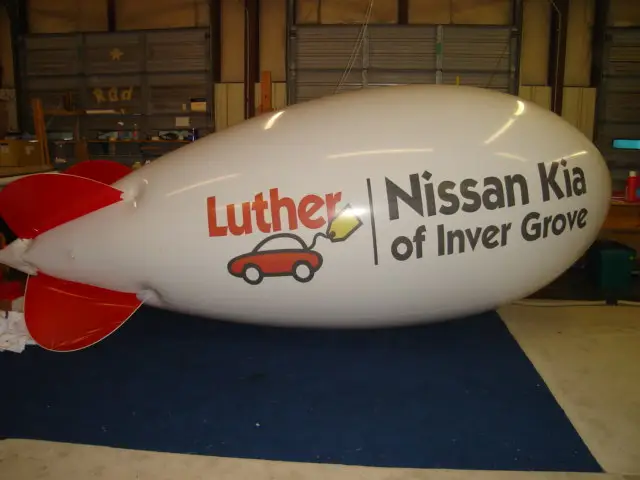
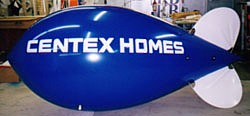
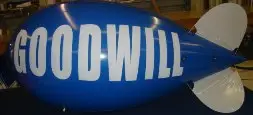
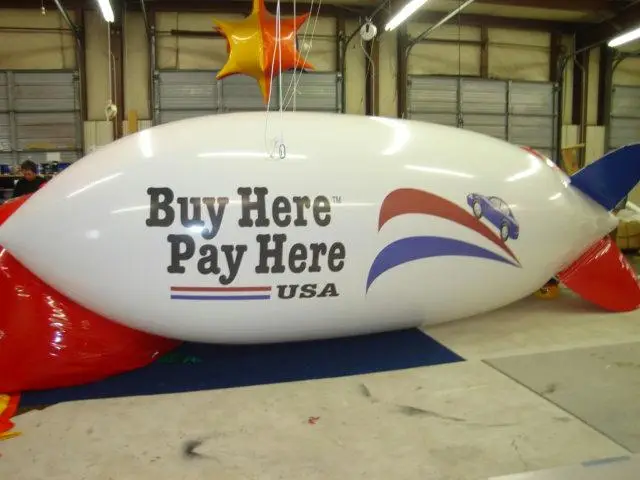
Then there are blimp-shaped advertising helium balloons. These look like mini airships, long and kind of like a sausage or a submarine. Blimps have a lot of space on their sides for big messages or pictures. Sometimes you see these flying over big sports games or outdoor festivals. Because of their shape, they can be very stable in the air, even if it’s a bit windy.
Some businesses get really creative and use custom-shaped advertising helium balloons. These can be made to look like almost anything! Imagine a shoe store with a giant floating sneaker, or a soda company with a huge flying soda can. A fruit stand might have a giant strawberry advertising helium balloon. These are super fun and very memorable because they are so unique. If a business has a special product or a mascot (like a character that represents their company), they might get an advertising helium balloon shaped just like it.
There are also advertising helium balloons with lights inside! These are extra cool because they can be seen even when it gets dark. The lights make the balloon glow, so the advertisement works day and night. This is perfect for businesses that are open in the evening or for special nighttime events.
Finally, some smaller businesses or for shorter events, might use reusable polyurethane advertising helium balloons. These are often smaller than the giant PVC ones and are designed to be used multiple times. They are a bit more eco-friendly and can be a good option for someone who needs an advertising helium balloon for a shorter period or wants to use it again and again.
So, whether it’s a simple sphere, a long blimp, a fun custom shape, or one that lights up the night, there’s an advertising helium balloon out there to fit what a business needs to get its message seen!
Creative Ways to Use Advertising Helium Balloons
Advertising helium balloons aren’t just for floating above a store! Businesses have found some really clever and creative ways to use them. Let’s explore a few ideas and imagine some examples.
Grand Openings and Sales: This is a classic! When a new store opens, or a shop is having a big sale, an advertising helium balloon is a fantastic way to shout about it. Imagine a new toy store opening. They could have a giant advertising helium balloon shaped like their friendly mascot waving to everyone from the sky. Or a clothing store having a 50% off sale could have a bright red sphere advertising helium balloon with “BIG SALE!” written in huge letters. This creates excitement and draws crowds.
Case Study Idea: Think about a local car dealership. For their annual sales event, they could use a large blimp-shaped advertising helium balloon that slowly circles over their lot, visible from the nearby highway. This would let everyone know something special is happening.
Festivals and Outdoor Events: At a busy music festival or a crowded farmers market, it can be hard for one stall or booth to get noticed. An advertising helium balloon can help! A food truck selling yummy tacos at a festival could have an advertising helium balloon shaped like a giant taco floating above them. This makes it easy for hungry festival-goers to find them. Or, at a big outdoor concert, the event organizers might use several advertising helium balloons to mark different areas, like the first aid station or the main stage.
Example: At a town fair, the booth selling tickets for the Ferris wheel could have a tall, thin advertising helium balloon that looks like a colorful striped pole, making it a clear landmark.
Product Launches: When a company has a brand new product, they want everyone to know about it. An advertising helium balloon can be a fun part of the launch. If a company is launching a new type of super bouncy ball, they could have a giant advertising helium balloon that looks just like the new ball, maybe even with some smaller bouncy ball balloons tethered around it. This is much more exciting than just a poster!
Case Study Idea: A tech company releasing a new video game could have an advertising helium balloon shaped like the main character from the game floating outside electronics stores on launch day.
Guiding People to a Location: If a business is a bit off the main road or tricky to find, an advertising helium balloon can be like a friendly guide. A new café tucked away down a side street could use an advertising helium balloon with an arrow pointing towards their entrance. This helps people who might otherwise miss it.
Example: A pumpkin patch open in the fall, located on a farm a little way out of town, could use an advertising helium balloon shaped like a giant pumpkin at the turn-off from the main road, so families know exactly where to go.
Charity Events and Awareness Campaigns: Advertising helium balloons aren’t just for selling things. They can also be used for good causes. A charity raising money for animals could have an advertising helium balloon shaped like a cute dog or cat at their fundraising event. Or, for an environmental awareness day, there might be an advertising helium balloon shaped like the Earth.
Example: During a city-wide cleanup day, an advertising helium balloon could mark the meeting point for volunteers, making it easy for everyone to gather.
These are just a few ideas! The great thing about an advertising helium balloon is that it lets businesses be really creative and find fun ways to connect with people and share their message in a way that literally rises above the rest.
Things to Consider Before Using Advertising Helium Balloons
While an advertising helium balloon is a fantastic tool, there are a few important things businesses need to think about before they decide to use one. It’s not quite as simple as just buying a balloon and letting it fly!
The Weather: This is a big one! Advertising helium balloons are, of course, affected by the weather. Strong winds can make them hard to control or even damage them. Heavy rain isn’t good for them either. So, businesses need to check the weather forecast and have a plan for what to do if the weather turns bad. They might need to bring the balloon down temporarily.
Rules and Permissions: You can’t just fly a giant advertising helium balloon anywhere you want. Towns and cities often have rules about how big they can be, how high they can fly, and where they can be located. Sometimes, a business might need to get special permission or a permit before they can use one. It’s important to check these local rules first to avoid any trouble.
Cost: Getting a big, custom advertising helium balloon can cost a bit of money. There’s the cost of the balloon itself, the helium to fill it (helium can be expensive!), and maybe someone to help set it up and take it down. Businesses need to think about their budget and decide if an advertising helium balloon is a good investment for them.
Safety: Safety is always important. The advertising helium balloon needs to be tied down very securely so it doesn’t float away. If it has lights, the electrical parts need to be safe. Also, people should be careful not to run into the ropes that hold the balloon down. Businesses need to make sure they are using their advertising helium balloon in a safe way for everyone.
Helium Refills: Helium is a very light gas, and it can slowly leak out of even the best balloons. This means that if an advertising helium balloon is going to be up for many days, it will probably need to be topped up with more helium to keep it floating properly. This is an ongoing cost and task to remember.
Storage and Maintenance: When the advertising helium balloon isn’t being used, it needs to be stored carefully so it doesn’t get damaged. It might need to be cleaned too. Taking good care of the balloon will help it last longer and look its best every time it’s used.
Thinking about these things beforehand helps a business use their advertising helium balloon successfully and without any problems. It ensures their cool floating advertisement can do its job of grabbing attention in the best possible way!
Conclusion: Advertising Helium Balloons Take Your Message Sky High!
So, now you know all about the exciting world of the advertising helium balloon! We’ve learned that an advertising helium balloon is a giant, floating sign that businesses use to get noticed. They are super eye-catching, can be seen from far away, and come in all sorts of fun shapes and sizes, from big round spheres to cool custom designs like a giant shoe or even an advertising helium balloon that lights up at night!
We discovered that businesses use an advertising helium balloon for lots of reasons: to announce grand openings, highlight big sales, stand out at festivals, launch new products, and even help people find their way to a hidden spot. An advertising helium balloon is a really creative way to share a message and make a business memorable. We also talked about important things to remember, like checking the weather and local rules, to make sure using an advertising helium balloon is safe and successful.
An advertising helium balloon is more than just a balloon; it’s a powerful and fun tool that helps businesses connect with people. It’s a way to make an advertisement that truly soars above the rest! What’s the coolest advertising helium balloon you’ve ever seen or can imagine? Share your ideas in the comments below. Visit our website TexasBlimps.com or Call us at 1-800-791-1445 or you can also email us on Sales@TexasBlimps.com for more details and pricing.
Imagine looking up at a busy city skyline or a packed sports stadium and seeing a giant, colorful blimp floating above, proudly displaying a brand’s logo. You can’t help but stare. That’s the magic of helium advertising blimps-giant billboards in the sky that demand attention!
Call us at 1-800-791-1445 or email us at Sales@TexasBlimps.com
Introduction: The Big Idea Behind Helium Advertising Blimps
In a world where ads pop up everywhere-on your phone, on TV, and even on buses-it’s easy for brands to get lost in the noise. But what if your advertisement could float above the crowd, literally rising above the competition? That’s exactly what helium advertising blimps do. In this article, we’ll explore how these floating giants work, why they’re making a comeback, their benefits, real-life examples, and tips for brands looking to make a big impression with helium advertising blimps.
What Are Helium Advertising Blimps?
Helium advertising blimps are large, balloon-like airships filled with helium gas. Helium is lighter than air, so it makes the blimp float high above the ground. Businesses use these blimps to display their logos, messages, or even digital screens, making them visible from far away.
Materials: Most blimps are made from tough, weather-resistant nylon or polyurethane.
Size: They can range from small (about 6 meters long) to huge (over 30 feet!).
Visibility: They can fly up to 60–100 meters (about 200–300 feet) in the air, making them visible for miles around.
The History and Comeback of Helium Advertising Blimps
Helium blimps have a rich history. In the early 1900s, they were used for military and passenger travel. But soon, companies realized their advertising power. The Goodyear blimp, for example, became famous in the 1920s for flying over big events and sports games.
Today, even in our digital world, helium advertising blimps are making a comeback. Why? Because they stand out in a way no online ad ever could. They’re real, they’re huge, and they float right above people’s heads, grabbing attention at festivals, parades, and major events.
How Do Helium Advertising Blimps Work?
Helium advertising blimps are easy to set up and use:
Inflation: The blimp is filled with helium gas, which is non-flammable and safe.
Tethering: A strong rope, called a tether, holds the blimp in place so it doesn’t float away.
Branding: The blimp’s surface is printed with logos, slogans, or even LED screens for digital messages.
Operation: Some blimps are static (they stay in one place), while others can be moved or even controlled remotely using GPS and radio controls.
Modern blimps can include features like:
-LED lights for nighttime visibility
-Remotely changeable messages
-Cameras for aerial shots of events
Why Are Helium Advertising Blimps So Effective?
Maximum Visibility Helium advertising blimps float high above crowds, buildings, or events. Their size and height make them impossible to miss. People can spot them from miles away, making them perfect for festivals, grand openings, or big sales.
Unique and Memorable Unlike regular billboards or online ads, blimps are rare and exciting. When people see a blimp, they’re likely to remember the brand it’s advertising. It’s a great way to make a lasting impression.
Cost-Effective While there’s an upfront cost to buy or rent a blimp, it’s often cheaper than paying for months of TV, radio, or online ads. Plus, one blimp can reach thousands of people every day without extra spending.
Customizable Blimps can be made in different sizes and colors. Brands can print their logo, slogan, or even use digital displays. Some companies even offer miniature blimps as giveaways.
Boosts Foot Traffic Studies show that stores using helium advertising blimps can increase walk-in customers by 10–30%-that’s a huge boost for any business.
Real-World Examples: Helium Blimps in Action
The Super Bowl Blimp At the 2014 Super Bowl, a helium blimp soared over the stadium, promoting the NFL’s 50th anniversary. Millions of people saw it on TV and in person, making it one of the most memorable ads of the event.
Macy’s Thanksgiving Day Parade In 2017, a giant blimp floated above the famous parade, celebrating its 90th year. The blimp was seen by millions of viewers both at the parade and on television.
Retail Stores and Car Dealerships Many car dealerships and retail stores use helium advertising blimps during big sales or grand openings. The blimp acts like a giant sign, attracting people from far away and increasing sales.
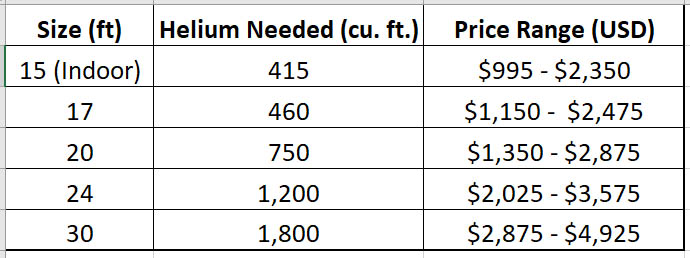
How Much Do Helium Advertising Blimps Cost?
The cost depends on the size, features, and whether you buy or rent. Here’s a general idea:
Add-ons like internal lights or banners cost extra. Renting is often cheaper for short-term events.
How to Use Helium Advertising Blimps for Your Brand
Choose the Right Size and Design Think about where you’ll use the blimp. For small events, a 15-foot blimp works well. For big festivals or city events, go bigger. Make sure your logo and message are clear and easy to read from far away.
Plan for Weather and Safety Helium blimps can’t fly in strong winds or storms. Always check the weather and have a plan to bring the blimp down if needed. Make sure it’s tethered securely and monitored at all times.
Use Technology Modern blimps can include LED lights, GPS, and even cameras. These features make your ad stand out and let you change messages or take cool aerial photos.
Combine with Other Advertising Helium advertising blimps work great with other ads. Use social media to tell people to look for your blimp at an event, or offer prizes for taking photos with it. This boosts engagement and makes your campaign even more memorable.
Train Your Team If you’re using a blimp for several days, make sure your staff knows how to operate it safely. Many companies offer training or can provide operators for you.
Tips for Getting the Most Out of Helium Advertising Blimps
Keep the design simple: Big, bold letters and bright colors work best.
Use both sides: Print your message on both sides so it’s visible from every angle.
Add lighting: LED lights help your blimp stand out at night.
Promote on social media: Encourage people to post photos of your blimp for a chance to win a prize.
Check local rules: Some cities have rules about flying blimps, so always check before you launch.
Challenges and Things to Consider
While helium advertising blimps are awesome, there are a few things to watch out for:
Weather: Strong winds or storms can ground your blimp.
Helium costs: Helium can be expensive, especially for big blimps.
Setup and storage: You’ll need space to inflate, store, and transport the blimp.
Permits: Some places require special permits to fly advertising blimps.
Despite these challenges, most brands find the benefits far outweigh the drawbacks.
The Future of Helium Advertising Blimps
As technology improves, helium advertising blimps are getting even better. With GPS, LED screens, and even interactive features, blimps can deliver dynamic messages and create unforgettable brand experiences. Some companies are experimenting with virtual reality and augmented reality to make blimp advertising even more engaging.
Conclusion: Take Your Brand to New Heights
Helium advertising blimps are more than just floating balloons-they’re powerful marketing tools that grab attention, boost brand recognition, and drive real results. Whether you’re a small business or a global brand, a blimp can help you stand out in a crowded world.
Ready to take your brand to the skies? Visit our website TexasBlimps.com or Call us at 1-800-791-1445 or you can also email us on Sales@TexasBlimps.com for more details and pricing.